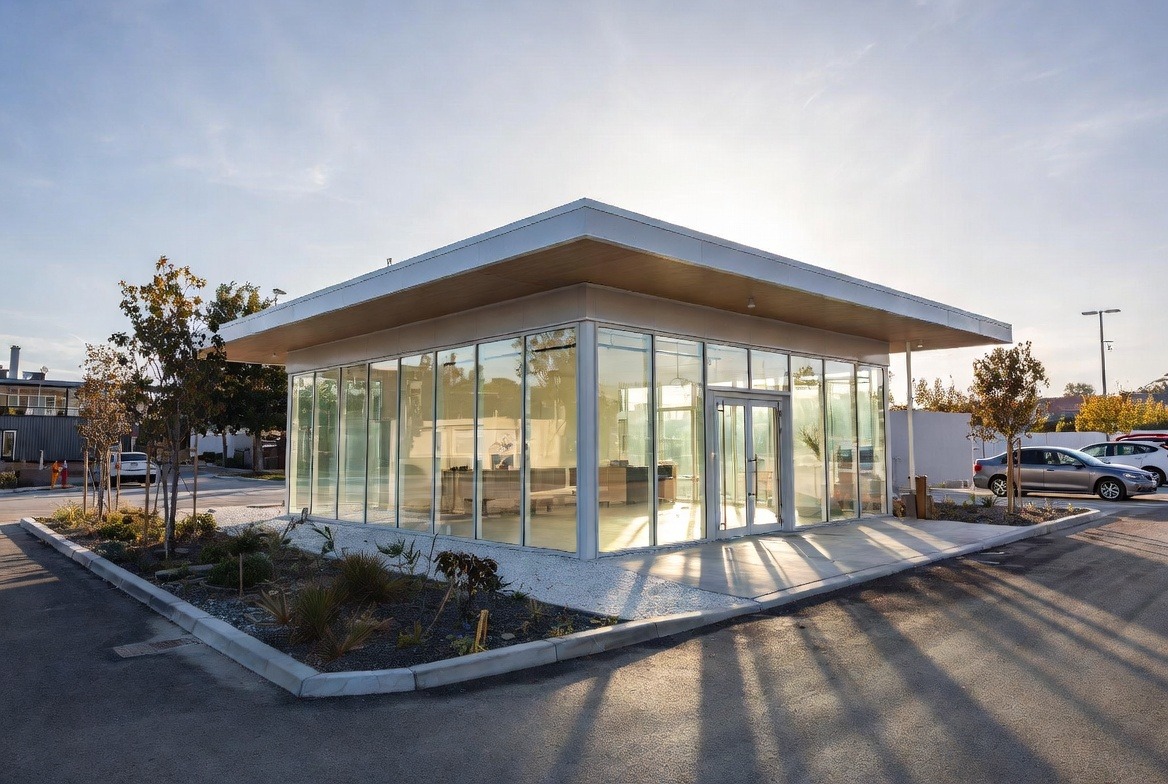
Window films help Toronto stores turn plain glass into branding space, privacy space, and sales space. For retail shops in Toronto and the GTA, window films can show your logo, shape your first impression, and make your storefront easier to read from the street. That matters because people often decide how they feel about a business before they step inside. If the front glass looks sharp, clear, and on-brand, the whole store feels better right away.
Retail branding with window films is not just about putting a sticker on a window. It is about using glass in a smarter way. A good setup can help a shop look more proffesional, feel more private, and explain what it sells in a few quick seconds. That is why many owners use window films as part of a bigger storefront plan instead of treating the glass like an afterthought.
In Toronto, this matters alot. Shops on Queen Street West, Yonge Street, the Danforth, Bloor West Village, Leslieville, and plaza strips in Markham, Vaughan, Brampton, and Mississauga all compete for quick attention. People walk fast. People drive by fast. People compare stores even faster. Your front window has a real job to do.
This article explains what retail branding with window films means, how it works on real storefronts, and how to choose the right mix of vinyl graphics, logo film, and privacy film without making the glass feel too busy or too dark.
What retail branding with window films really means
Retail branding with window films means using film on storefront glass to help the business look clear, useful, and easy to remember. That can include a printed brand panel, a logo on the entrance door, frosted privacy film, cut lettering for store hours, or custom film shapes that match the brand style. It is simple to explain, but it does more than one job at once.
First, it helps people understand the store. If a person walks past your business and cannot tell what you sell, the storefront is not doing enough. A strong window film layout can fix that. It can show the store name, a short service line, a product image, or a simple brand cue that tells people what kind of place this is. People do not stand there and study every shop. They scan. So the message has to be quick.
Second, window films help shape how the business feels. A clean door logo can make a store feel more settled. A frosted lower band can make a clinic or salon feel more private. A large printed panel can make a retail shop feel more active from a distance. The same glass surface can support branding, privacy, direction, and street appeal all at once.
Third, window films help balance the look of the whole storefront. Many shops have great products inside but weak glass outside. The window may be blank, cluttered, or covered with old stickers from differrent seasons. That can make a good business look less organised than it really is. Smart film design helps pull the front together.
This matters more in a place like Toronto because street-level retail is dense. The City of Toronto’s business improvement area program shows how much attention goes into local shopping strips and street appeal across the city. Shops are not only competing with online shopping. They are also competing with the business right next door and the one across the street. You can see how the city frames those local districts here: Toronto Business Improvement Areas.
That local setting changes the way storefront graphics should work. A boutique on Ossington may want more open glass so people can see the mood inside. A beauty business in North York may want more privacy at eye level. A service shop in a Vaughan plaza may need bigger text that reads from a parking lot. The film type may change, but the goal stays the same: make the front easier to understand and easier to trust.
Season also changes how window films perform. In summer, west-facing storefronts can get harsh glare late in the day. In winter, early darkness and dirty slush near the curb can make a storefront feel dull by late afternoon. Good window film layouts help the store still read clearly in both bright and flat light. That part gets missed alot, but it matters in Canadian retail.
How different window films help a storefront do more work
There are a few main ways window films are used for retail branding. The most common are printed vinyl film, logo film, and privacy or decorative film. They can work alone, but many of the best storefronts use a mix of them.
Printed vinyl film is often the big attention piece. It can show product images, simple sales messages, campaign artwork, bold brand colours, or a short statement about what the store does. This works well when the business needs more impact from the sidewalk or from the road. It is common for stores that want to use the front glass almost like a street-facing sign.
Logo film is usually more restrained. It often goes on the glass entrance door or a side panel beside the door. It may seem small, but it does a lot. It tells people they are at the right place. It makes the entrance feel more complete. It can also help the store look more permanent and less thrown together.
Privacy or decorative film is more about comfort and finish. Frosted bands, stripes, gradients, and etched-glass looks can all sit in this category. These films help when the business wants some privacy without losing all natural light. They are common in clinics, salons, treatment spaces, cafés with front seating, and shops with a counter close to the window.
Many owners ask which one is “best,” but that is not really the right question. The right question is what the window needs to do. A storefront may need to catch attention, keep the front desk from feeling too exposed, and make the entrance more branded. That means one film type may not be enough. A mixed approach often works better.
Here is a simple case. A small gift shop near Roncesvalles had beautiful products inside, but the window did not show much from the street. The owner first thought a full wrap would solve the issue. It would not. Full coverage would have blocked the view of the products, which were already the store’s strongest asset. A better plan used one printed side panel with the brand colours, one clean logo on the door, and a small message near the handle. That was enough to make the store feel more organised without closing it off.
Here is another example. A skin clinic in Richmond Hill had a bright front unit, but clients seated near reception felt too visible from outside. The answer was not heavy dark tint across the whole window. The better fix was a frosted band at seated eye level, plus a simple door logo and service wording higher up. The clinic kept the daylight, added privacy, and made the storefront feel more calm. It looked better and worked better.
These examples show why layout matters as much as material. Too many words can make the glass feel cheap. Too much film can make the store feel closed. Too little branding can make the business forgettable. The best window films give the storefront enough message, enough style, and enough open space.
A good storefront film plan often tries to do these things:
- Help people understand the business fast
- Match the tone of the brand
- Keep enough open glass for light and visibility
- Add privacy where it is actually needed
- Make the entrance look clean and finished
That is why a local installer should never start by asking only what colour or size you want. The first real question should be what problem the window needs to solve.
How to choose the right window films without wasting money
The easiest way to waste money on window films is to choose the look before choosing the goal. Owners often say they want something bold, modern, or full coverage. Those are style ideas. They are not business goals. The better place to start is with function.
Ask what the glass should actually do. Should it attract more walk-ins? Should it make the business easier to read from the sidewalk? Should it add privacy at the front counter? Should it support a new brand launch? Should it make the unit feel more polished before a busy season? Once those answers are clear, the design gets much easier.
A good planning list looks like this:
- What should people notice first from outside?
- What should they know before they open the door?
- How much of the interior should stay visible?
- Which window areas get the strongest sun?
- Is the film meant to stay long term or change with seasons?
- Does the design match the rest of the branding?
Once those points are clear, you can plan the layers. Many strong storefronts use three simple layers: brand, message, and function. The brand layer includes the logo, colours, and type style. The message layer explains what the store offers. The function layer handles privacy, glare, and visibility. When those layers line up, the glass feels easy to read. When they fight each other, the storefront starts to look messy.
Open glass is part of that balance too. Some owners want every inch of glass covered because they feel the whole surface should “work.” That usually backfires. Open glass can help frame the message. It can show movement inside. It can keep the store from feeling too boxed in. In many cases, partial coverage looks stronger than full coverage.
Local traffic patterns matter here as well. Stores near subway stations, streetcar routes, and major bus stops often have only a second or two to catch the eye. The TTC’s operating statistics are a good reminder of how much daily motion Toronto storefronts sit beside: TTC annual boardings. In areas with heavy passing traffic, the message must be shorter and the design must read faster.
Installer quality matters just as much as the design. Good film applied badly still looks bad. Crooked logos, bubbling edges, weak trimming, and text placed too low can make the business look careless. A good installer thinks about door handles, mullions, lighting, sightlines, and how the window will read from differrent angles. That is where real experience shows.
Business owners should also think about upkeep. A graphic that looks smart in April should still feel clean in November. Seasonal campaigns can work well, but permanent branding needs a different approach. If the storefront changes promos often, it may make more sense to keep the core brand film simple and leave room for smaller short-term updates. That keeps the front from turning into a patchwork over time.
For shops with more than one location in the GTA, consistency matters. A downtown Toronto unit and a plaza unit in Brampton may not need the exact same layout, but they should still feel like the same brand. The logo, tone, and message structure should line up even if the windows are shaped differrently.
Why storefront window films matter for Toronto shops right now
Retail in Toronto and the GTA is always changing, but one thing stays the same. People judge storefronts fast. They compare shops fast. They skip places that feel confusing, dated, or too closed off. That is why window films matter. They give a business a practical way to improve first impressions without rebuilding the whole front of the store.
For a small business, that is a big deal. A smart film plan can make the storefront easier to read, help people feel more comfortable walking in, and support the brand every day without adding clutter. It can also solve real problems, like too much exposure at the front desk or a glass wall that does nothing but reflect the street.
Retail branding with window films works best when it stays simple. Clear message. Strong entrance. Enough privacy where needed. Enough open glass where it helps. That kind of balance makes the store look sharper and feel more settled.
If the front of your business feels blank, outdated, or hard to understand, the glass may be the first place to fix. Good window films can help the storefront attract, explain, and reassure. In Toronto, where local strips move fast and competition is close, that can make a real differrence.
Leave a Reply