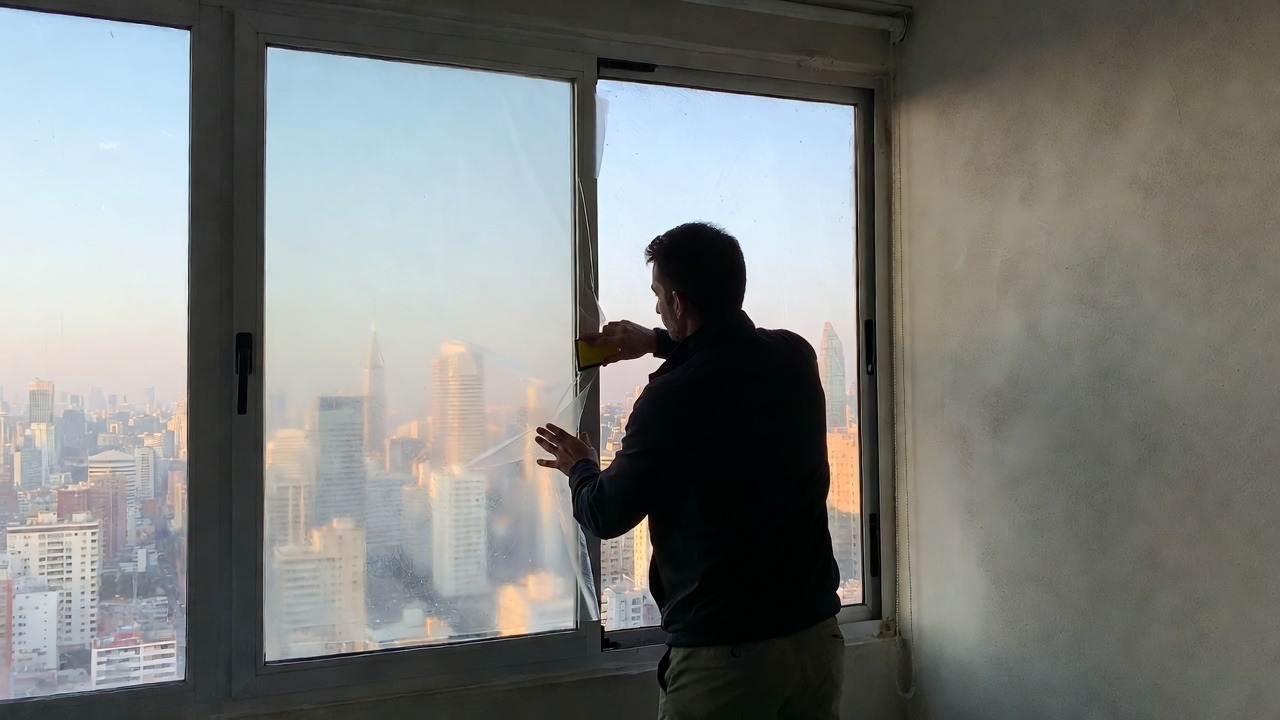
Window films are one of the most practical upgrades for homes in Toronto and the GTA when you want more privacy, less glare, and better day-to-day comfort without replacing the glass. Many homeowners start searching for window films after living with the same problem for too long. One room gets blasted by afternoon sun. A front window feels too exposed at night. A home office screen is full of glare. A bathroom has light, but not enough privacy. These are small problems at first, then they get annoying every single day.
That is why window films for home keep getting more attention from people in Toronto, North York, Vaughan, Markham, Mississauga, Richmond Hill, Scarborough, and the rest of the GTA. Good window films can help reduce solar heat gain, soften glare, improve daytime privacy, and help protect interiors from UV exposure. The U.S. Department of Energy explains that window films and similar coverings can reduce solar heat gain and improve comfort, while Health Canada explains why limiting UV exposure matters. In plain words, that means the right film can make a room easier to use and easier to live with.
Window films are not all the same, and that is where people sometimes get stuck. Some are made for heat and glare. Some are made for privacy. Some are mainly decorative. Some are better for front entries, while others are better for big west-facing windows. If you start with the actual room problem, not just a sample card, you are much more likely to get a result that feels right.
1) Window films help fix the rooms people complain about the most
Most homeowners do not wake up one day dreaming about film on glass. They start looking because a room is bothering them. That is the real reason window films matter. The problem is usually very normal. The living room gets too bright by mid afternoon. The upstairs office feels hotter than the rest of the house. The front sidelight feels too open after dark. A basement window needs privacy, but you still want daylight.
Window films work well because they solve these everyday problems without a full window replacement. That is a big reason people in Toronto and the GTA ask about them. A house in East York may need privacy on the entry glass. A condo in Liberty Village may need glare control on a wall of windows. A family home in Vaughan may need help with a west-facing room that gets cooked in summer. Same product category, but very differnt reasons for using it.
When people skip straight to colour or price, they often miss the bigger point. A dark film is not always the right film. A frosted film is not always the right film either. The room should decide what type of window film belongs there.
2) Toronto sun can make one room feel way worse than the rest of the house
Anyone who lives in Toronto or the GTA knows some rooms can feel uneven through the year. In summer, west-facing rooms can get blasted late in the day. In winter, bright glare bouncing off snow can still make a room feel harsh even when it is cold outside. That kind of light is not just annoying. It changes how the room gets used.
This is where heat-control and glare-reducing window films make sense. They do not magically fix every building problem, but they can lower the harshness that comes through the glass. The room feels calmer. Screens are easier to see. You do not have to keep the blinds shut all day. That is a real quality-of-life thing, not just a technical one.
One local example: a homeowner in North York had a second-floor office facing west. Every sunny afternoon, the room felt stuffy and the computer screen was hard to use. The blinds stayed closed most of the time, which made the space feel dull. After adding a solar-control window film, the glare dropped and the room felt more stable. It was not some huge dramatic makeover. It just made the room work better, which was the whole point.
3) Privacy is one of the biggest reasons people choose window films
Privacy comes up all the time, but it helps to be specific about what kind of privacy you need. Some homeowners want privacy at the front door. Some want it in bathrooms. Some want it in basement windows near a walkway. Others want to block views into a condo without losing too much daylight. Those are not all the same job.
Decorative and privacy-focused window films are popular because they can soften the view without fully darkening the room. That is useful in Toronto neighbourhoods where homes are close together and windows often face sidewalks, side yards, or a neighbour’s path. In older parts of the city like Riverdale, the Junction, and Leslieville, that kind of close spacing is very common.
One small case example: a family in Scarborough had clear glass beside the front door. It brought in nice light during the day, but at night it felt too exposed from the porch and driveway. They did not want curtains there because it looked clumsy. A frosted-style window film gave them privacy while keeping the light. Simple fix, but it changed how they felt every time they walked to the entry.
4) Decorative window films can make awkward glass feel more useful
Decorative window films are often treated like a style-only product, but that is not really fair. Yes, they can improve the look of glass. They also solve practical problems. They can help with privacy, soften direct sightlines, hide clutter behind glass pantry doors, and make plain glass doors look more finished.
In condos downtown, this matters because heavy treatments can feel bulky and out of place. In suburban homes across the GTA, decorative films are a neat way to handle front entries, side doors, bathroom windows, stairwell glass, and those odd little windows that are too open but too small for a good blind solution. The best results are often the simplest ones. Clean patterns. Soft frosting. Nothing too busy.
That is one reason window films appeal to both homeowners and small business owners working from home. They can improve how the space looks while still doing a real job. It is style with a purpose, which is usualy better than style on its own.
5) Good window films can help protect floors, furniture, and fabrics
People often start with comfort, but UV protection becomes part of the conversation fast. Strong sunlight is hard on interiors over time. Wood floors, rugs, furniture, artwork, and fabrics can all take a beating in bright rooms. Window films can help reduce how much UV gets through the glass, which gives homeowners another reason to take the upgrade seriously.
This comes up a lot in bright front rooms and condos with large glass areas. The daylight looks great, but the space can be rough on surfaces year after year. If you have spent real money on flooring or furniture, that matters. The film is not just about how the room feels today. It is also about how the room holds up over time.
For people with home studios, treatment rooms, or client-facing spaces inside the home, this matters too. Better light control can make the room feel more polished and more comfortable without changing the whole design.
6) The glass type matters more than most homeowners expect
One mistake people make is assuming every window in the home can get the same film. That is not always true. Homes in Toronto and the GTA often have mixed glass types, different room exposures, and windows added at different times. A newer addition may not have the same glass as the older part of the house. A large south-facing pane behaves very differntly than a small north-facing one.
That is why a careful installer should ask questions before making a final recommendation. What direction does the window face? Is it double-pane? Is it older glass? How much sun hits it? These are basic questions, but they matter. If somebody gives a fast answer without asking about the glass, that should make you pause a bit.
Window films work best when the film and the window are matched properly. That sounds obvious, but a lot of problems start when that part gets rushed.
7) Cheap film can be more expensive later
Low prices get attention. That is normal. But cheap window films or rushed installs often come with trade-offs that homeowners see right away. Bad cuts, peeling corners, trapped dust, uneven edges, haze, or bubbling are the things people notice first. Then comes the part nobody likes: paying for removal and starting over.
That is why it is often smarter to begin with the rooms that bother you most and do them properly. The hot office. The glaring family room. The exposed bathroom. A good result there tells you a lot more than a bargain quote that covers every window but leaves you annoyed after a few weeks.
Local experience matters here too. Installers who work regularly in Toronto condos, older semis, detached homes, and townhouses across the GTA tend to know where jobs get tricky. Tight spaces, old trim, mixed window types, elevator bookings, and access rules all change how the job should be handled.
8) Window films are useful for both homes and home-based work spaces
Toronto has a lot of people working from home now, either full time or part time. That changes what homeowners need from a room. A sunny spare bedroom becomes an office. A basement room becomes a studio. A front room becomes a place where clients sometimes visit. Once that happens, privacy, glare control, and visual comfort matter even more.
Window films can help make those spaces feel more usable and more proffesional without making them cold or over-designed. A cleaner front entry, better screen visibility, softer light, or more privacy on a glass door can make a real differnce when the room has to do more than one job.
This is one reason window films keep showing up in local conversations. They are flexible. They can support family life, work life, and everyday comfort without a big construction project.
9) The best advice on window films is plain, local, and honest
The most helpful advice does not sound fancy. It sounds clear. A good local installer should be able to explain what a film does, what it does not do, how it will look in daytime light, and how it may feel at night. That kind of plain advice helps homeowners make a better choice.
Toronto and the GTA have all kinds of homes and all kinds of glass. Downtown condos, detached houses in Markham, townhomes in Mississauga, older brick homes in the east end, newer homes in Richmond Hill. The same film will not be the right answer for every one of those spaces. Local experience matters because the problems are local too.
If you are thinking about window films, start with the room that bothers you most. That first room usually tells you what you care about most too. Privacy. Heat. Glare. Style. UV protection. Once you know that, the rest gets easier.
Need help choosing window films for a Toronto or GTA home?
Start with the window that causes the most stress in your day. Then talk to someone who can match the film to the room, the glass, and the way you really use the space. That is often the part people rush, and its often the part that matters most.
Frequently Asked Questions About Window Films
Are window films worth it for homes in Toronto?
For many homes, yes. Window films can help with glare, privacy, UV exposure, and comfort. The biggest change people often notice first is how the room feels.
Do window films make a room darker?
Some films reduce a bit of light, but not all of them make a room feel dark. Many are designed to cut glare and heat while still letting in a good amount of daylight.
What window films are best for bathroom privacy?
Frosted or decorative privacy films are often a good fit for bathroom windows because they soften the view while still letting in light.
Can window films help with west-facing windows?
Yes. West-facing windows often get strong afternoon sun, and the right window film can reduce glare and solar heat to make the room more comfortable.
Should I choose decorative film or solar film?
Choose decorative film when privacy and appearance are the main goal. Choose solar film when the bigger problem is glare, strong sunlight, or too much heat.
Leave a Reply