A Simple Guide to Window, Security, and Privacy Films

  • 10 Window Films Mistakes That Lead to Bubbles, Peeling, and Wasted Money

    10 Window Films Mistakes That Lead to Bubbles, Peeling, and Wasted Money

    Window films can help cut glare, add privacy, block UV rays, and make rooms feel more comfortable in every season. But when window films are picked badly or installed the wrong way, the job can go downhill fast. You may end up with bubbles, peeling corners, cloudy patches, poor heat control, or a film that just looks cheap. In Toronto and the GTA, this happens all the time on condo glass, older house windows, and storefront panels where dust, direct sun, and rushed prep make a good product look bad.

    That is why this matters. People search for window films because they want a real fix for hot rooms, fading floors, or a front window that feels too exposed. Then they buy a roll online, watch a short video, and think the install will be easy. Sometimes it is. A lot of times it isnt. If you want a better base for window films, this guide will help you avoid the mistakes that cost Toronto homeowners and business owners more later.

    1. Treating dusty glass like it is clean enough

    This is still the biggest mistake.

    Glass can look spotless from a few feet away and still hold dust, lint, pet hair, dried cleaner, grease from fingers, or tiny paint bits near the frame. Once the film goes on, that debris gets trapped under the surface. Then the pane looks rough, speckled, or full of little bubbles.

    This happens a lot in older homes in East York, Scarborough, and Etobicoke. Dirt hides in the lower corners for years. In lakefront condos, salt and moisture leave residue on the glass. On street-level shops in busy parts of Toronto, road grime builds up faster than pepole think.

    A better cleaning routine usually means:

    • scraping off stuck debris where needed
    • wiping with a lint-free cloth
    • cleaning the edges and bottom corners extra well
    • checking the pane from the side before applying the film

    A homeowner in The Beaches tried a bathroom privacy film job on their own. The middle looked fine, but the lower edge had tiny bumps all over it. Dust from old trim got pulled under the film during install. The whole sheet had to come off. Thats a very common redo.

    2. Choosing window films by colour instead of by purpose

    Not all window films do the same thing. Some are made for solar control. Some are made for privacy. Some are decorative. Some are thicker for safety and security use. A dark film may look like it will solve heat problems, but shade alone does not tell you enough.

    When the film type does not fit the room or the glass, you can end up with:

    • weak heat rejection
    • privacy that only works part of the day
    • a room that feels too dark
    • film that fades too soon
    • stress on the wrong kind of glass

    This matters across the GTA. A west-facing condo in CityPlace may need better solar control. A front sidelight in Richmond Hill may need privacy first. A café in Mississauga may want glare control without making the dining area look gloomy.

    One small clinic near North York Centre picked a dark film online because it looked “professional.” The rooms still felt warm in late afternoon, and staff hated how dim it made the space. The issue was not window films in general. The issue was picking the wrong type for that glass and that use.

    3. Forgetting that the glass type matters just as much as the film

    This is where cheap jobs can get expensive fast.

    Many homes and condos in Toronto use double-pane windows. Some also have low-E coatings or other features that change how the glass handles heat. Not every film should go on every pane. If the wrong film goes on the wrong glass, heat can build up in a way that creates stress.

    Common mistakes here include:

    • using a very dark film without checking the glass setup
    • assuming all home windows react the same way
    • copying a film choice from another house with diffirent windows
    • using the same film on every room without looking at sun exposure

    A condo owner near Harbourfront bought bargain film to cut heat on a sunny living room pane. The film stuck, but the window setup had not been checked first. A few weeks later, the owner paid again to have it removed and replaced with a better match. That “cheap” first try was not cheap at all.

    4. Installing window films in a bad room setup

    Indoor work still depends on conditions. This gets ignored all the time.

    If the room is too hot, the slip solution can dry too fast. If the glass is very cold, curing can take much longer. If the room is dusty from sanding, painting, or renos, dirt lands under the film while you work. If direct sun is blasting the exact pane, the film may grab before you are ready.

    In summer, condo glass in Liberty Village or Fort York can heat up hard by late afternoon. In winter, older homes in Brampton and Scarborough often have cold glass for hours. Those local conditions change how window films behave, even when the film itself is good.

    Better install conditions usually mean:

    • a moderate room temperature
    • clean air with no active dust
    • no strong direct sun on the pane during install
    • enough time for the film to cure after the job

    Many failed installs start on a day that felt “good enough.” It wasnt.

    5. Using too little slip solution

    Slip solution gives you time to move the film before it locks into place. Without enough of it, the film grabs too early. Then it gets hard to line up, hard to smooth out, and easy to crease.

    This mistake often leads to:

    • crooked placement
    • stretch marks
    • finger dents
    • drag lines from the tool
    • air pockets that stay stuck

    Many first-time installs go wrong right here. People spray the pane a little, set the film down too soon, and then panic when it sticks before they are ready. The glass should be wet enough that the film can slide into place. The outside face should stay wet enough for the squeegee to glide instead of drag.

    A small retail shop near Square One tried doing a front glare-control panel in-house. They used very little slip solution because they thought less water meant less mess. The panel grabbed early, went down crooked, and the staff ended up wasting a full cut. A pro later redid it in one visit.

    6. Squeegeeing like you are wiping, not removing water

    A squeegee is not just for making the film look smooth. It is there to push water and air out in a clean pattern so the film can bond properly.

    If the squeegee work is uneven, moisture stays trapped under the film. Then you get haze, wet pockets, or edge lift later on.

    Better squeegee work usually includes:

    • starting near the centre
    • using steady passes that overlap a bit
    • pushing water toward the edges
    • using firmer pressure near corners and borders
    • keeping the pressure even

    One shop near Yonge and Eglinton had film put on a front panel right before opening time. The middle looked clean, but the lower edge still held too much moisture. A few days later, the corner lifted and started catching dirt. The owner blamed the film, but the bigger issue was weak water removal.

    7. Rushing the trim and edge work

    Most failures do not start in the middle. They start at the edges.

    If the cut is sloppy, if water stays near the border, or if dust is left around the frame, the corners and edges are the first spots to fail. Once they lift, more dirt gets under the film and the problem gets worse week by week.

    This shows up a lot on:

    • front doors that open all day
    • condo windows with daily heat swings
    • commercial glass near vents
    • south-facing rooms with strong summer sun

    Cutting film on glass is normal, but it takes a steady hand. If the cut is too tight, the film may bunch or lift. If the gap is too wide, the install looks cheap. In places like Leaside and High Park, we often see DIY jobs where the cut line drifts near the frame. The film still works, but it does not look clean up close.

    8. Touching or cleaning the film too soon

    Fresh window films need time to cure. During that time, a bit of haze or a few tiny water pockets can be normal. Many people see that and think the job failed. Then they start rubbing the film, pressing bubbles with a finger, or cleaning it too early.

    That can leave marks, weaken the bond, or scratch the surface. In warm months, curing is faster. In cold Toronto months, it often takes longer. That does not always mean something went wrong. It can just mean the moisture is still drying out under the film.

    For plain-language help on what is normal after install, the International Window Film Association inspection guidelines are useful. They explain common visual changes during curing and help separate a normal settling phase from a real defect.

    9. Expecting cheap film to perform like better film

    Cheap window films can cost more later. Lower-grade film may fade faster, peel sooner, or block less UV and heat than you expected. That matters in Canada, where summer sun, winter cold, and daily temp swings all put stress on materials.

    Better window films can help with:

    • glare reduction
    • UV protection
    • more comfort near sunny glass
    • less cooling strain in hot months

    A family in Markham may want help protecting flooring and furniture. A café in Downtown Toronto may want front tables to feel cooler in summer. If the film quality is weak, the result may not last long enough to make the job worth it. Natural Resources Canada has useful public info on home energy performance, and it helps explain why glass and solar gain matter so much in Canadian buildings.

    10. Trying to DIY panes that are too big, too visible, or too tricky

    Small flat panes can be okay for careful DIY work. But once the glass gets large, highly visible, or more technical, the risk goes up fast.

    Calling a pro often makes more sense when:

    • the pane is large
    • the glass type is not clear
    • the room gets strong afternoon sun
    • the job is on a front door or storefront
    • the film is thicker safety or security film
    • the finish needs to look very clean

    This applies to homes and businesses. A rough install on a basement laundry window is one thing. A rough install on the front glass of a store in Roncesvalles or Port Credit is another. Customers notice small flaws real quick, and homeowners do too once the sun hits the pane the wrong way.

    Window films can do a lot of good when the prep is clean, the film matches the glass, and the install is done with care. Clean corners, enough slip solution, proper water removal, careful trimming, and patience during curing all change the final result. Skip those steps, and even good window films can end up looking bad pretty fast.

  • Window Films in Toronto and the GTA: A Beginner’s Guide to Professional Installation

    Window Films in Toronto and the GTA: A Beginner’s Guide to Professional Installation

    If you are searching for window films in Toronto and the GTA, you are likely trying to fix a real glass problem. Maybe the room gets too hot after lunch. Maybe the glare hits every screen in the office. Maybe your front windows feel way too open at night. Maybe your floors or furniture are starting to fade. For many homes and businesses, window films are a smart way to improve glass without changing the whole window.

    This guide is for beginners, but it is also useful for business owners, property managers, and anyone comparing local installers. We will cover what window films do, how professional installation works, how to pick the right film, and what mistakes people make before they call a Toronto window tinting service. The language here is simple on purpose. The topic should not feel hard. It should feel clear and usefull.

    What You’ll Learn in This Guide

    • What window films are and how they work
    • Why Toronto and GTA buildings use them so often
    • How professional installation works step by step
    • Which film type fits heat, glare, privacy, or security needs
    • Why some installs fail early
    • How to compare local installers without guessing

    What Are Window Films?

    Window films are thin layers applied to glass. They change how the glass performs. Some films reduce heat. Some cut glare. Some add privacy. Some help hold broken glass together after impact. Some are mostly decorative and help a room or office look better.

    The word “film” sounds simple, and that is true in one way. It is a thin product placed on glass. But the result can be a big change in comfort, privacy, and day-to-day use of the room. A room that felt harsh in the afternoon can feel calmer. A storefront that felt exposed can feel more private. A meeting room can stop feeling like a fish bowl.

    Many people think all window films are dark. That is not true. Some are clear. Some are lightly tinted. Some are frosted. Some are reflective. Some are thicker for safety or security. So the better question is not “How dark is it?” The better question is “What problem do I want this glass to fix?”

    Why Toronto and GTA Properties Use Window Films

    Toronto and the GTA have a mix of old homes, newer condos, busy storefronts, and glass-heavy office spaces. That mix creates the same problems over and over. West-facing condo units near Harbourfront, CityPlace, and Liberty Village can get hard afternoon sun. Offices in Markham and Vaughan can have bright glass walls that make screen work annoying. Retail spaces in North York and Scarborough may want more privacy and a bit more glass protection. Homes in Etobicoke and Mississauga often deal with fading floors and hot living rooms in summer.

    Season matters too. After the first hot week of July, a lot of people start asking about window films because rooms feel hard to use in the late afternoon. In winter, the heat problem changes, but glare can still be rough. Bright low-angle sun on cold days can hit screens and living spaces pretty hard. So this is not just a “summer fix.” It is a glass performance upgrade that helps across the year.

    We have seen this on many GTA projects. A condo owner near King West wanted to keep the skyline view but hated how hot the sofa area got every day around 3 p.m. Heavy curtains made the space feel closed off. A solar control film kept the light, reduced glare, and made the room easier to enjoy. Same windows. Same view. Better comfort.

    Another example came from a small clinic near Highway 7 in Markham. Staff had two problems at once. The front windows let in too much bright light, and one interior glass room had very little privacy. The answer was not one film on all panes. The better plan was solar film on the outer glass and frosted film on the interior partition. That job worked because the film matched the use of each glass area.

    How Professional Window Films Installation Works

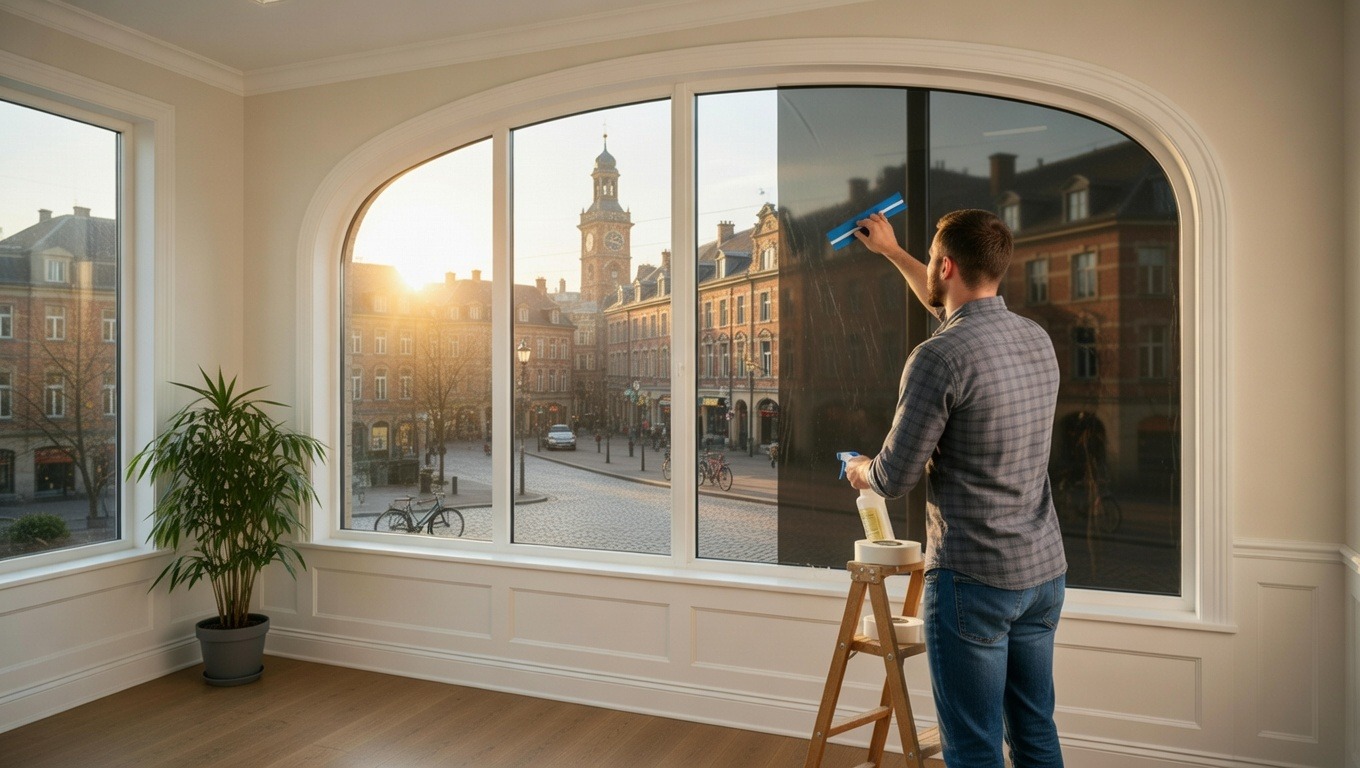
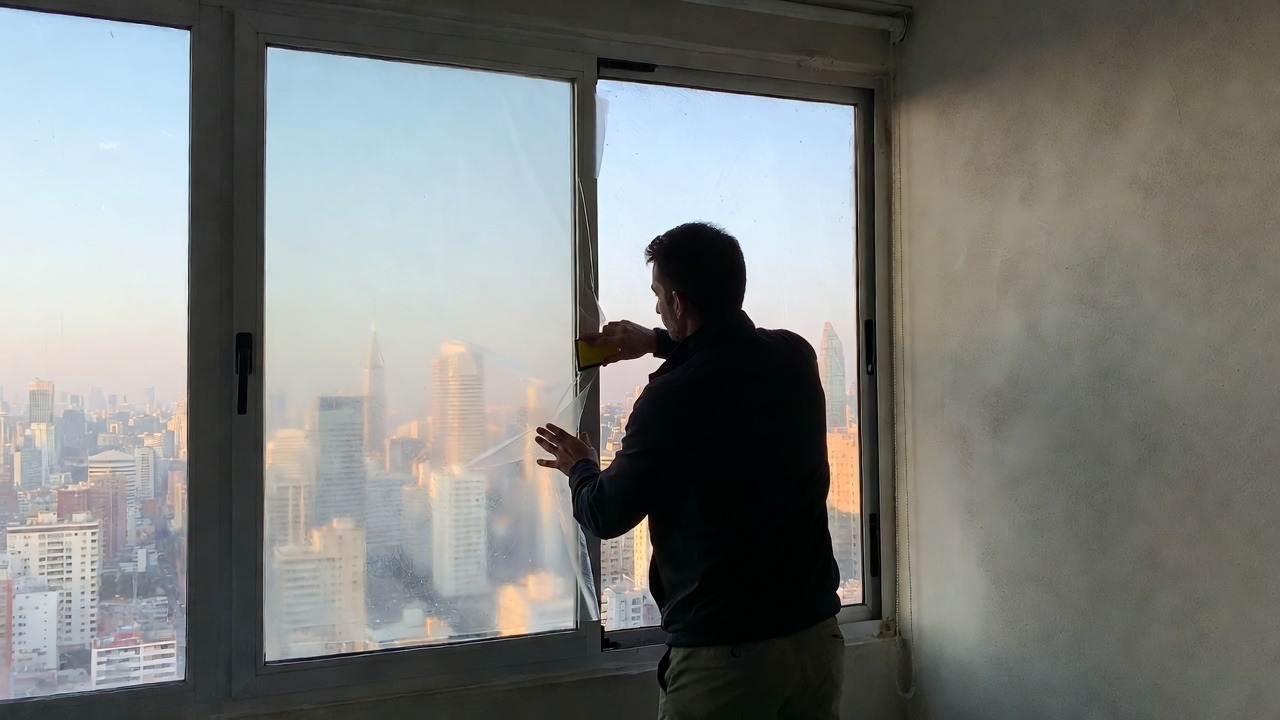
    Professional installation is not magic, but it is skilled work. Good film installers follow a clean process. The first step is cleaning the glass very well. Dust, lint, oil, and tiny debris can get trapped under the film if prep is rushed. Once that happens, the result can show little bumps or specks.

    After cleaning, the installer measures the pane and cuts the film. Some shops pre-cut. Some hand-cut on site for a tighter fit. Edge quality matters more than many beginners think. If the cut lines are sloppy, the whole job can look off even if the film itself is decent.

    Next, the installer sprays the glass with a slip solution so the film can be placed and moved into the right spot. Then the film is laid on the glass. A squeegee is used to push out water and air. This part is where skill shows the most. Good pressure and good technique help the film sit flat and cure well.

    After install, the film needs time to dry and settle. This is called cure time. Some light haze or tiny water pockets can appear at first. That does not always mean there is a problem. The International Window Film Association outlines the usual installation stages, including consultation, film selection, preparation, application, and curing. :contentReference[oaicite:1]{index=1}

    If you want a simple outside source on the process, read the International Window Film Association installation guide. It gives a plain overview and matches what experienced installers do on real jobs.

    How to Choose the Right Type of Window Film

    This is where many people get stuck. They know they want window films, but they do not know which type fits the job. The easiest way to decide is to start with the problem.

    Solar control film

    Solar film is used when rooms get too hot, too bright, or full of glare. This is common in condos, offices, restaurants, and homes with large sun-facing windows. In simple words, solar film helps manage how much sun heat and brightness come through the glass.

    Privacy film

    Privacy film is used when the glass feels too open. Frosted film is common for bathrooms, front doors, clinics, salons, and meeting rooms. Some one-way styles are also used, though daytime and nighttime privacy can work very differntly.

    Security film

    Security film is thicker and helps hold shattered glass together after impact. It is often used on storefronts, side doors, schools, offices, and some homes with glass near entry points. It does not make glass unbreakable, but it can slow forced entry and reduce flying glass pieces.

    Decorative film

    Decorative film is often picked for style, branding, or softer privacy. It works well on office partitions, reception areas, interior glass doors, and some modern homes that want a cleaner look.

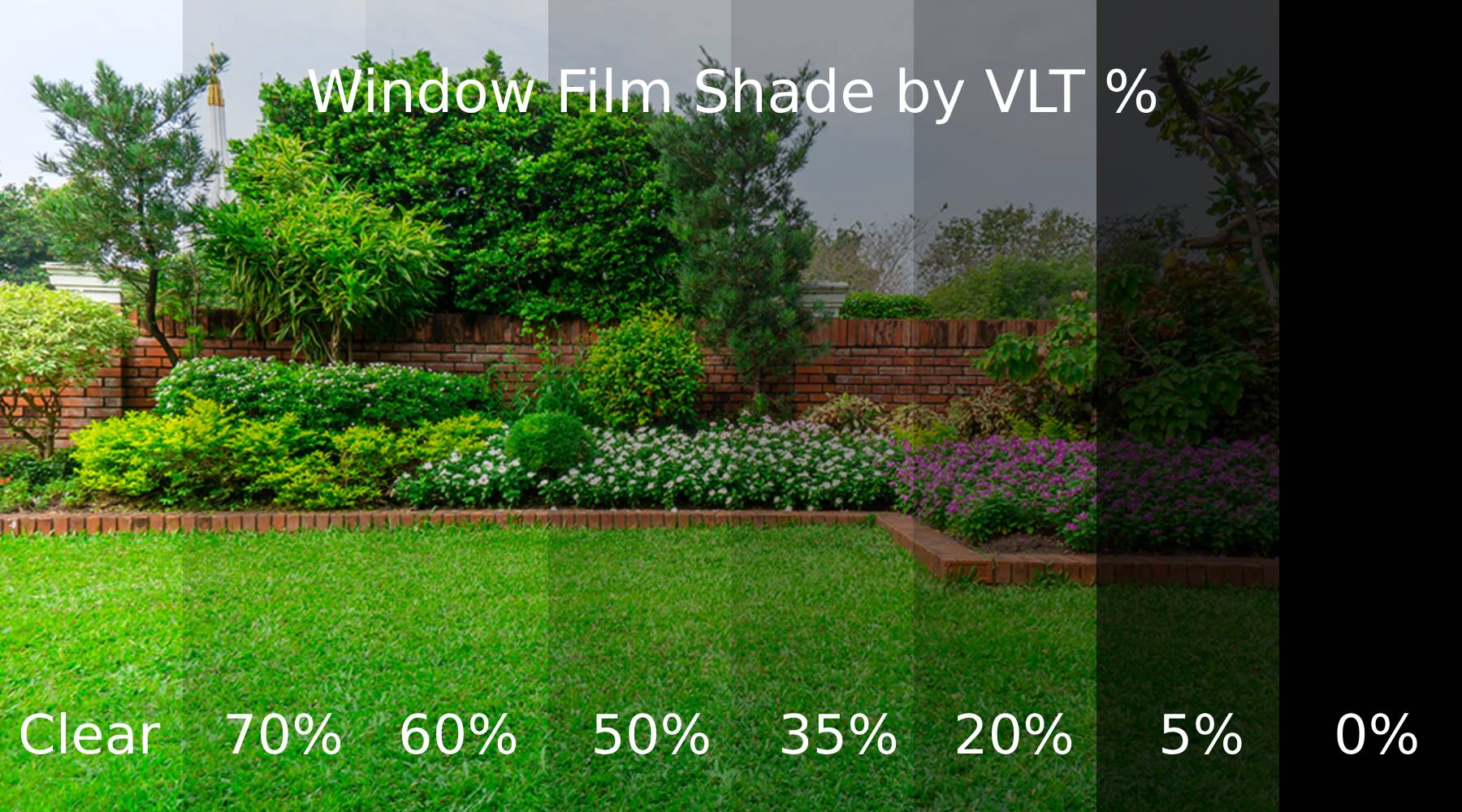
    Some people also ask about technical ratings. That is where terms like visible light transmission and energy performance come in. Visible light transmission means how much daylight comes through the film. Energy labels help compare how films affect window performance. The NFRC explains that it independently tests, certifies, and labels window films for energy efficiency. :contentReference[oaicite:2]{index=2}
    If you want to read more about that from an outside source, the NFRC window films page is useful. It is a good place to see why labels and product data matter.

    DIY vs Professional Installation

    DIY film can work on a very small and simple pane if you are patient. A little bathroom window or a short-term decorative project may be okay for a handy person. But large glass is a differnt story. Bigger windows show every mistake.

    Dust under the film shows up. Crooked cuts show up. Poor edge work shows up. If the film starts lifting at the corners or looks cloudy because too much moisture stayed under it, you may end up paying twice. Once for the DIY attempt, and again for removal and replacement.

    Professional installation makes more sense when:

    • the windows are large or high up
    • you care about clean edges and a neat finish
    • the room gets heavy afternoon sun
    • you want the film to last
    • you are installing security film or privacy film on visible glass

    For Toronto businesses, this matters even more. A bubbling film on a front window near Queen Street or a peeling boardroom film in downtown Toronto can look cheap real fast. Property managers and business owners usually want the job done once and done right.

    Common Mistakes People Make With Window Films

    The first mistake is choosing film by shade alone. Darker is not always better. Some lighter films control heat very well, and some darker films are chosen more for looks than performance.

    The second mistake is forgetting the glass type. Double-pane glass, older glass, and hard sun exposure all matter. The film has to fit the condition of the window, not just the style you like.

    The third mistake is hiring on price only. Cheap quotes can be tempting, but sloppy cuts, bad prep, and poor cure guidance often lead to callbacks. That costs time and money, and it can be a pain for homes and businesses that already cleared space for the install.

    The fourth mistake is judging the result too fast. A bit of moisture haze right after install can be normal. Good installers explain what you should expect in the first few days.

    The fifth mistake is bad after-care. Rough tools and harsh cleaners can damage the film surface or affect the edges. Ask your installer what cleaner is safe before you start wiping everything down.

    How to Compare Window Film Installers in Toronto and the GTA

    Start with simple questions. Ask what film they recommend and why. Ask how long the job will take. Ask what the cure period looks like. Ask how you should clean the film after install. Ask what the warranty covers. Clear answers matter.

    Look for local signs too. Reviews that mention North York, Vaughan, Markham, Etobicoke, Scarborough, Mississauga, or Brampton are useful because they show the company actually works in the GTA. A team that has done condos, homes, clinics, and storefronts across the area will often speak more clearly about local building types and sun issues.

    A good installer should not make the topic sound fancy. They should make it easy to understand. That is usually a strong sign that they know the work and are not just trying to rush the sale.

    Why Window Films Often Make Sense Before Full Replacement

    For many Toronto and GTA properties, window films are a lower-disruption option than replacing the full window unit. That matters in busy homes, clinics, offices, and shops where a larger project may not be the first choice.

    If the main problem is heat, glare, privacy, fading, or light security support, film is often a direct fix. Full replacement still has a place when windows are damaged or very old, but a lot of properties do not need that level of work right away.

    That is why window films keep coming up in local conversations. They are practical. They are faster to install than major glass changes. They can be matched to only the windows that need help most. And when the film is chosen well, the change is easy to notice the same week.

    Final Thoughts

    If your glass makes a room too hot, too bright, too exposed, or harder to use, window films are worth a close look. They help solve real day-to-day problems in Toronto condos, GTA homes, offices, clinics, and storefronts. When the film matches the room and the install is done well, the result feels cleaner, calmer, and more functional.

    For beginners, the best move is simple. Start with the problem. Is it heat? Glare? Privacy? Security? Then match the film to that problem and talk to an installer who explains the job in plain language. That will save you time, save you money, and help you avoid the wrong product.

  • Window Films Toronto and GTA: Tintly Window Films vs 3M vs Llumar for Retrofit and New-Build Jobs

    Window Films Toronto and GTA: Tintly Window Films vs 3M vs Llumar for Retrofit and New-Build Jobs

    Window films are a smart way to improve comfort, privacy, glare control, and UV protection in Toronto and the GTA. If you are searching for window films for a home, condo, office, clinic, or shop, you are likely comparing brands and asking one simple thing: which option works best for retrofit and new-build installation? That is where most buyers get stuck a bit.

    In Toronto, window films are not just for dark office towers anymore. Homeowners in North York use window films to cool sunny rooms. Condo owners in Liberty Village use window films for privacy. Retail stores in Mississauga use window films to help with glare and front glass safety. This is a real local service, not just a product on a box.

    If you want the broad picture first, start with window films and how they are used in homes and businesses across the GTA. This guide compares Tintly Window Films, 3M, and Llumar in plain language. It also explains retrofit vs new-build installation, because many people still think retrofit is a weaker option. It often is not.

    We’ll keep this simple. Short answers. Real use cases. A few local examples. And the kind of details both property owners and SEO people actuly care about, like solar heat gain, glass type, install quality, and why local window films advice matters.

    Tintly Window Films

    Tintly Window Films is the local choice in this comparison. That changes the buying experience right away. A local company sees the actual building, the actual glass, and the actual problem. That sounds obvious, but it matters more than many people think.

    Toronto and the GTA have all kinds of buildings. You get old brick homes in the Danforth area, tall condos downtown, newer detached homes in Markham, and glass-heavy commercial units in Vaughan and Richmond Hill. Those spaces do not all need the same window films. A one-size-fits-all answer usually goes wrong fast.

    Tintly makes the most sense for owners who want guidance based on the site, not just the brand label. Many customers are not saying, “I want this exact film line.” They are saying, “My room gets too hot after lunch,” or “People can see right into my office,” or “Our front glass feels risky at night.” That is where local film selection helps.

    In the GTA, a lot of projects are retrofit jobs. That means the glass is already there and the owner wants an upgrade without replacing windows. Tintly fits that well. Retrofit window films can solve real comfort and privacy problems without turning the whole place into a construction zone.

    One recent case came from a family home near High Park. The back room had big patio glass and nice daylight, but summer heat made the space hard to use by late afternoon. The owners first talked about replacing the windows. After the glass was checked, a solar film option made more sense. The install was faster, the cost was lower, and the room felt calmer almost right away. They kept the daylight, but lost a lot of the harsh glare. It was a better fix for the real problem.

    Tintly also tends to work well for buyers who want clear advice on film type. Some need solar control. Some want privacy film. Some want a frosted look for office glass. Some want safety and security film. If the goal is not clear at the start, it is easy to buy the wrong thing. That happens alot.

    3M Window Films

    3M is the brand many buyers know first. It has strong name recognition, a long history, and a polished image. In Toronto, 3M often comes up in commercial jobs, higher-budget residential work, and projects where brand familiarity makes the client feel more comfortable.

    There are good reasons for that. 3M window films are often used for:

    • Large office buildings
    • Institutional spaces
    • Homes where owners want a lighter, cleaner look
    • Projects focused on glare and solar heat reduction

    Some 3M products are known for helping reduce heat without making the windows look very dark. That can be useful in homes where the owner wants a more subtle finish. In places like Leaside, Forest Hill, or newer custom homes in the GTA, that can matter a lot for appearance.

    Still, there is one point buyers should not miss. 3M is the film brand. It is not the installer cleaning the glass, trimming the edges, or checking how the film behaves on that specific window. A strong product can still end up with a weak result if the install is rushed or messy.

    That is why this comparison should be fair. When people compare Tintly Window Films to 3M, they are not always comparing the same thing. Tintly is a local service plus film selection plus install quality. 3M is mostly the film brand itself. So the better comparison is often this:

    • 3M product performance
    • The local installer applying it

    That split matters. A customer near Yonge and Eglinton once liked the 3M name right away, but after a site review, the bigger issue turned out to be the room exposure, not just the brand. West sun, large glass, screens facing the window, and no outside shade. That kind of real condition shapes the result more than the logo does.

    For broad window performance basics, ENERGY STAR explains how windows affect heat gain, comfort, and energy use. That is useful if you are trying to understand why some rooms in Toronto feel rough in July and still drafty in January.

    Llumar Window Films

    Llumar is another big name in window films, and it deserves a proper place in the comparison. Many people see Llumar as a practical option with a wide product range. It comes up a lot in homes, smaller commercial spaces, and projects where budget still matters but the owner wants a recognized brand.

    Llumar window films are often used for:

    • Residential privacy
    • Glare control
    • Basic solar heat reduction
    • Small office and storefront upgrades

    In parts of Brampton and Vaughan, people often ask for a bit more privacy from the street without making the windows look too heavy. Llumar can fit that kind of job well. It also gets attention from owners who want more product choice at different price points.

    But the same truth still applies here too. Window films only work well when the film, the glass, and the installation all match each other. A lower-cost product that fits the glass can beat a more famous product that does not. Buyers do not always hear that from sales pages, but it is true in real jobs.

    A good small case study came from a dental office in Mississauga. The waiting area had big front windows. Morning light was fine, but the afternoon glare made the room uncomfortable and screens near the desk harder to read. The office did not want dark glass from the street. They wanted balance. After the film upgrade, the room felt easier to sit in and the front still looked clean. No flashy change, just a useful one.

    Llumar is a solid option for owners who want flexibility. It may not always be the first brand named out loud, but it belongs in the short list for many GTA jobs.

    Retrofit vs New-Build Window Films

    This is where confusion starts for a lot of buyers. Retrofit window films are installed after the windows are already in place. New-build window films are planned during construction or before the building is occupied. Both can work very well. Retrofit is not second-best just because it happens later.

    In Toronto and the GTA, retrofit is the normal path. Most people are not building from scratch. They already live or work in the space. They already know which room gets too hot, which office has glare on screens, or which front window gives them no privacy at night.

    Retrofit window films make sense when:

    • You want a faster upgrade
    • You do not want the cost of full window replacement
    • You already know where the problem is
    • You need solar control, privacy, UV reduction, or safety film

    New-build installation can also be smart. Builders and owners can plan film selection before furniture goes in, and access to the glass is easier. But in the GTA, many builders leave that decision for later. So even newer homes and commercial units often end up using retrofit window films after move-in.

    For Canadian housing and energy basics, Natural Resources Canada has useful guidance on home energy performance and how windows affect indoor comfort. That matters here because Toronto weather swings a lot. We get sticky summer heat, low winter sun, and cold snaps that make glass feel rough near seating areas.

    The short version is simple. If the building is already there, retrofit window films are usually the practical move. If the project is still under construction, new-build planning can work too. The right answer depends more on timing and goals than on status alone.

    How Toronto and GTA Owners Should Choose Window Films

    The easiest way to choose window films is to start with the problem, not the brand.

    Too much heat in sunny rooms

    Solar window films are often the first answer. These help cut glare and reduce heat gain on south-facing and west-facing glass. Homes in Etobicoke, North York, and newer Markham subdivisions run into this a lot.

    Not enough privacy in condos

    Privacy films or frosted films make sense when nearby towers or street views feel too close. This is common in downtown Toronto, CityPlace, and Liberty Village condos.

    Worry about break-ins or broken glass

    Safety or security window films may help. They do not make glass unbreakable, but they can help the glass stay together longer after impact. For some storefronts and ground-floor offices, that delay is very useful.

    Fading floors, rugs, and furniture

    UV-control window films help reduce sun damage on interior finishes. That matters in bright living rooms, waiting areas, and retail spaces with display lighting and strong daylight.

    So the best window films are not always the most famous ones. They are the films that solve the right problem on the right window, with a clean install.

    Tintly Window Films vs 3M vs Llumar: The Plain Answer

    Here is the simple local take.

    • Tintly Window Films is a strong fit when you want local advice, site-specific film selection, and solid retrofit planning
    • 3M is a strong fit when brand reputation matters and the installer is also very good
    • Llumar is a strong fit when you want product range, flexibility, and practical value

    Across Toronto and the GTA, the final result often depends as much on the install as the film brand. That is true for homes near the Danforth, condos near Union Station, clinics in Scarborough, and retail units in Mississauga. The glass matters. The room use matters. The sun direction matters. And the installer matters, maybe more than people think.

    If you are comparing window films right now, start with the problem you want fixed. Too hot. Too bright. Too exposed. Too much fading. Once that is clear, the right film choice gets easier, and the comparison between Tintly, 3M, and Llumar becomes a lot more honest.

  • Toronto Window Films Compared: Tintly vs 3M vs Llumar for Homes and Businesses

    Toronto Window Films Compared: Tintly vs 3M vs Llumar for Homes and Businesses

    Window films are a smart upgrade for homes, condos, offices, and storefronts in Toronto and the GTA. Good window films can cut glare, help with privacy, block UV rays, and make rooms feel less hot in summer. They can also make glass look cleaner and more even from the street. But when old film starts bubbling, peeling, fading, or going cloudy, many people ask the same thing: which window films are worth buying, and should you repair the old film or replace it?

    This article compares three names people ask about a lot: Tintly Window Films, 3M, and Llumar. It is written for Toronto and GTA property owners who want plain answers, not fluffy sales talk. If you are also weighing film against a larger glass project, this guide on window film vs window replacement may help too.

    Toronto has a mix of glass problems. Downtown condos near the lake get strong afternoon glare. Older homes in East York and High Park can have large front windows that feel too hot in July. Offices in Markham and Vaughan often deal with bright west-facing glass after lunch. Retail units near Square One or Yorkdale want comfort inside and a clean look outside. So yes, product matters. But the real-world result also depends on the installer, the glass type, and how much sun that window gets every day.

    Natural Resources Canada explains that better window upgrades can improve comfort and energy use in Canadian homes. The U.S. Department of Energy also notes that some films can reduce solar heat gain on existing windows. You can read those resources here: Natural Resources Canada and U.S. Department of Energy.

    Tintly Window Films

    Tintly is local, and that gives it a real edge for Toronto and GTA jobs. A local company sees how window films hold up through dry winter air, summer heat, condo glare, and the day-to-day wear that comes from cleaning, traffic, and direct sun. It also sees the mistakes other installers leave behind. That part is huge, because a lot of bad-looking film did not fail because film is bad. It failed because the install was sloppy, rushed, or not matched to the glass.

    We have worked on homes in North York, condos downtown, restaurants in Mississauga, offices in Richmond Hill, and storefronts in Scarborough. The pattern is pretty clear. Film problems often start small. A rough edge becomes peeling. Dust under the film becomes a bubble. Cheap material starts changing colour. One weak pane turns into three weak panes because the job was not done right from the start.

    What makes Tintly stand out is not just the film itself. It is the full job. That includes checking the glass, asking what the room actually needs, removing old material cleanly, and installing the new film with neat edges and proper finish. That sounds basic, but many installers skip steps. Then the customer is left staring at haze or trapped marks and wondering if all window films are like that. They are not.

    A recent job in The Beaches shows how this happens. A homeowner had old film on a south-facing living room window. The room was bright all day, and by mid afternoon the film looked wavy and dirty. The owner first thought the glass itself was damaged. It was not. The old film had started to fail, and trapped debris from the first install made it look worse when the sun hit hard. The old film was removed, the glass was cleaned proper, and a better solar film went in. The room felt calmer right away. The owner said the glare on the TV stopped driving everyone nuts. Small change, big result.

    Tintly also gives straight answers when repair is still possible. Some panes can be saved if the damage is tiny and close to one edge. Other panes are already too far gone. A good installer should say which is which. That honest call matters more than a fancy brochure, and ya, customers notice it.

    3M Window Films

    3M is one of the best-known names in window films. Many homeowners ask for 3M by name because the brand is familiar and has a strong reputation. That is fair. 3M offers several respected film lines, and some of them are very good for heat control, UV reduction, and glare management.

    Still, many people miss one very basic point. 3M makes film. It does not personally install the film on your home or office. A local dealer or installer handles that work. So the final result still depends on prep, measuring, cleaning, cutting, and how well the installer understands the glass. Premium material with weak labour can still fail way too early. That is why some people get confused and think all window films are overhyped. In many cases, the product was fine. The install was the weak link.

    We have seen some 3M jobs in downtown Toronto and Etobicoke that looked clean and held up well. We have also seen jobs where the film had tiny specks, early edge lift, or a hazy look after a short time. Same brand. Very diffirent outcome. That is why brand name alone should never be the only reason you buy.

    3M is often a fit for people who want a premium option and are willing to pay more. That can make sense. But homeowners should still ask hard questions. What exact film line is being used? What does the installer recommend for this glass? What will it look like from inside and outside? If an installer only says “3M is the best” and skips the details, that is not enough.

    For repair jobs, 3M film can be tricky. A small repair on an older pane may not blend well because sun exposure changes the look of film over time. That means full replacement is often the better answer, even if the first instinct is to patch it. It costs more upfront, but it can save the customer from a half-fixed window that still looks off.

    Llumar Window Films

    Llumar is another common name in window films, and it usually sits in a middle range for many buyers. It can feel like a balance between cost and performance. For some homes and businesses, that is exactly what they want. They want a product with decent glare control, useful UV protection, and a cleaner feel in the room without paying the very highest price.

    In the GTA, Llumar shows up in houses, offices, and retail spaces. We have seen it in Markham family homes, office units in Vaughan, and shopfronts in Mississauga. In the right setup, it can work very well. It can soften harsh sun, lower glare on screens, and help a room feel a bit more even through the day.

    But Llumar still faces the same real-world issues as other window films. If the install was rushed, the film can show trapped dirt, weak edges, or slight clouding later on. If the window gets hit by strong afternoon sun every day, older film can start showing its age faster. Large patio doors, big front windows, and tall office panes make those flaws easy to spot.

    A good example came from a retail unit near Square One. The front glass had older Llumar film that looked okay on cloudy days but rough on sunny days. The film had started lifting at the bottom corners, and the centre looked a bit milky once the sun hit it. The owner thought the full storefront had to be redone. After inspection, only the worst panes needed replacement right away. The rest still had some life. That saved money and kept the job focused on what was actualy needed.

    Llumar can be a solid choice for buyers who want a known brand without jumping straight to a top-priced option. But once again, the result comes down to product fit, glass type, and installer skill. There is no shortcut around that.

    What Matters More Than the Brand?

    The answer is simple: the best window films are the ones matched to the real problem and installed cleanly. A room that is too hot needs a film chosen for heat control. A window that feels too exposed needs a privacy solution. A business worried about comfort and outside appearance may need something different again. If one installer pushes the same film for every single problem, that is a warning sign.

    Toronto homes and businesses do not all deal with the same light. A condo near Harbourfront gets a different kind of glare than a detached home in Brampton. A west-facing office in Richmond Hill behaves differently than a shaded café in the Annex. That is why local knowledge helps so much. The job is not just about sticking film to glass. It is about reading the space and choosing the right answer for that window.

    This is also where plain language matters. Many people do not care about fancy terms. They care that the room feels too hot. They care that the screen is hard to see. They care that customers sitting by the front glass feel blasted by sun. Good advice should start there.

    Repair or Replace Old Window Films?

    This is the big question for many GTA property owners. Repair can work sometimes. Replacement is the better move many other times. The right answer depends on how bad the damage is and how old the film is.

    Repair may work when:

    • The damage is small and close to one edge
    • The film is still fairly new
    • The rest of the pane still looks clear and stable

    Replacement is usually better when:

    • The film has many bubbles across the pane
    • The colour changed or turned purple
    • The adhesive looks hazy or streaky
    • The old install was DIY or rushed
    • You want better performance than the old film ever gave you

    A condo owner near St. Lawrence Market asked about repairing one peeling corner because they wanted the cheapest path. That made sense at first. But once the film edge was checked, the adhesive failure was already spread farther in. A patch would have looked rough and would not last. Replacing the whole pane gave a cleaner result and saved them from paying twice. Not the answer they hoped for, but the honest one.

    Many good window films can last about 10 to 15 years, sometimes more. But that depends on sun exposure, the product itself, the glass, and the install. Cheap film and weak workmanship can cut that lifespan down fast. That is why a low quote is not always the better deal. It can cost less now and more later. Happens all the time, sadly.

    Who Should Choose Tintly, 3M, or Llumar?

    Tintly is often the best fit for homeowners and business owners who want local advice, strong installation quality, and honest repair-versus-replace guidance. It suits people who care about the full job, not just the label on the roll.

    3M can be a strong choice for buyers who want a premium brand and are ready to pay more, but only if the installer has real skill and gives clear answers.

    Llumar can make sense for buyers who want a branded product at a more middle-range price, as long as the film choice suits the glass and the installer does clean work.

    If you are choosing between them, ask very direct questions. What problem are we solving? What film type fits this glass? What will the room feel like after install? Can this old film be repaired, or is replacement the smarter path? If the answers sound vague, keep shopping.

    Final Thoughts on Window Films in Toronto and the GTA

    Window films can be one of the most useful upgrades for comfort, privacy, glare control, and UV reduction in Toronto and the GTA. But brand alone does not decide the result. A good product with a bad install can still fail. A well-matched film with strong installation can last for years and make a room feel much better every day.

    That is why the real comparison is not just Tintly vs 3M vs Llumar. It is product plus installer plus honest advice. Get those three parts right, and the job usually goes well. Get one of them wrong, and even a good brand can turn into a headache pretty quick.

  • How to Care for Window Films Without Damage in 5 Easy Steps

    How to Care for Window Films Without Damage in 5 Easy Steps

    Window films need the right cleaning routine if you want them to stay clear, smooth, and useful in Toronto and the GTA. Good window films can cut glare, help with privacy, lower heat, and protect interiors from sun fade. But if you clean window films like plain glass, they can scratch, haze up, or start to peel before they should.

    That happens all over the GTA. In Downtown Toronto, condo glass shows every streak when the afternoon sun hits. In Mississauga and Vaughan, lower windows near parking lots pick up dirt and salt spray in winter. In Scarborough and North York, busy storefront doors get finger marks all day long. Then someone grabs paper towel and a strong spray, and the film looks worse after cleaning. Thats the problem this guide fixes.

    This article shows a simple way to clean and maintain window films for homes, condos, offices, shops, and clinics across Toronto, Markham, Richmond Hill, Brampton, Etobicoke, and the rest of the GTA. The method is easy. The tools are basic. The goal is simple too: keep window films looking better for longer and help them last.

    Step 1: Wait for New Window Films to Cure

    Fresh window films need time before the first cleaning. A new film may look dry, but the adhesive under it is still settling onto the glass. If you clean too soon, you can drag the surface, disturb the edge, or leave marks that stay there.

    This is one of the most common mistakes after a new install. People see light haze, a bit of waviness, or tiny water pockets and think the film is dirty. Many times, that is just the curing stage. Cold Toronto weather can slow curing down, espeically in winter when the glass stays cooler for longer.

    A safer approach is to wait for the installer’s cleaning window. That can change based on season, glass size, and sun exposure. Large windows often take longer. West-facing glass in a condo may look different during the day as the film settles.

    A homeowner near Yonge and Eglinton cleaned new film three days after install because they saw a soft cloudy patch on the lower pane. They used a rough cloth and pushed hard. The patch was only curing moisture, but the wiping left fine drag marks that showed up whenever sunlight hit from the side. The film still worked, but the look was never quite the same.

    Things you may see during curing:

    • light haze
    • small water bubbles
    • a damp look near the edges
    • slight distortion on large panes

    Do not scrub those areas. Do not press bubbles flat. Just let the film settle.

    For businesses, this matters even more. Entry glass and meeting room glass are more visible, and every small mark stands out. A few extra days of patience can save a future service call.

    Step 2: Mix a Gentle Cleaner for Window Films

    A strong cleaner is not the answer. Most window films do better with a mild cleaning mix, not a harsh glass spray.

    A basic cleaner that works well for many film jobs is:

    • clean water
    • a few drops of mild dish soap
    • a clean spray bottle

    That mix is often enough for normal dust, hand prints, and light grime. It is also easier on the film surface and edges. Many off-the-shelf glass cleaners are made for bare glass, not film-coated glass, and some can be too harsh.

    The International Window Film Association recommends a non-abrasive approach with soft tools and gentle cleaning products. That lines up with what works on real local jobs around Toronto and the GTA.

    Try to stay away from:

    • ammonia-based glass cleaners
    • abrasive pads
    • gritty cloths
    • strong degreasers
    • razor blades for surface dirt

    A small hair salon in Etobicoke had privacy window films on the front glass and side panels. Staff cleaned them every night with a heavy-duty spray meant for mirrors and countertops. After a few months, the film started to look dull in the areas they touched the most. They changed to mild soap water and clean microfibre cloths, and the finish stayed much nicer after that. It was a small switch, but it solved the issue.

    If you are not sure what type of film is on the glass, start with the mildest safe option. That is the smarter move. Stronger products can create problems that are hard to reverse.

    Step 3: Wipe With Soft Tools and Light Pressure

    The cloth matters almost as much as the cleaner. A lot of damage on window films comes from the wrong tool, not from the dirt itself.

    Paper towels can feel soft, but they can leave fine scratches over time. Old rags can hold grit from frames or sills. Scrub pads are worse. These marks may not show right away, but later the sun hits the glass and all the tiny lines show up. That is why film-safe cleaning tools matter.

    Better choices include:

    • clean microfibre cloths
    • lint-free cloths
    • a soft rubber squeegee
    • a clean synthetic sponge

    Spray lightly onto the glass or cloth. Wipe gently. Then dry with a second clean cloth or a soft squeegee. That is enough for most routine film cleaning.

    Do not scrub hard. If a mark stays on the glass, spray it again and let the moisture sit for a short moment. Then wipe softly. More force usually does not help. Alot of the time, it just makes the surface worse.

    This comes up a lot on commercial glass. In a retail unit near Scarborough Town Centre, staff cleaned the front doors at the end of the day with dry paper towel because finger prints bothered them. The film got dull fast around handle height. We suggested two quick light cleanings during the day with a damp microfibre cloth instead. The film stopped getting that worn look, and the glass looked cleaner overall.

    For home owners, a simple habit can help: keep one cloth only for window films. Do not use the same cloth on tracks, sills, or dirty frames first. Those places hold dust and grit, and that grit can scratch the film on the next wipe.

    Step 4: Clean on a Schedule That Fits Local Weather

    Window films last better when cleaning is regular and gentle. Waiting until the glass looks really bad often leads to harder scrubbing, and that is when wear starts to build up.

    Toronto weather makes this a real issue. Spring pollen sticks to glass. Summer heat bakes grime onto sun-facing windows. Fall brings rain marks and city dust. Winter adds salt mist, slush spray, and road residue, espeically on lower storefront glass near roads and parking lots.

    A simple schedule works well for most places:

    • homes: every two to four weeks
    • busy storefront doors: once or twice a week
    • offices and clinics: based on hand prints and traffic
    • lower street-facing glass: check more often after storms and winter slush

    This routine helps all kinds of window films, including privacy film, decorative film, solar film, and security film. It keeps the surface cleaner and makes each cleaning easier.

    The sun side matters too. Health Canada explains that ultraviolet radiation can harm skin and eyes. Many Toronto property owners choose window films to help with glare, UV control, and comfort. Keeping the film clean helps the glass look better while the film keeps doing its job day after day.

    A café near High Park had front windows that faced strong afternoon sun. Dust and finger marks built up fast, and staff would wait until Friday to do one big hard cleaning. The film always looked smeary by Saturday afternoon. They changed to quick gentle wipe-downs three times a week, and the glass held up better with less effort. Thats a good example of how timing matters just as much as the cleaner.

    Step 5: Check Edges and Surface Changes Early

    Every cleaning is also a chance to inspect your window films. That part gets skipped alot, but it helps catch small problems before they spread.

    As you wipe the glass, look at:

    • corners
    • lower edges
    • areas that get strong afternoon sun
    • spots people touch often
    • older seams on large glass panels

    Watch for:

    • edge lift
    • tiny bubbles
    • cloudy patches
    • fading colour
    • purple tones on older film
    • scratches that keep getting worse

    Small damage is easier to deal with when you catch it early. A tiny lifted corner can stay small for a bit, or it can start catching dust and moisture and get worse fast. That is why checks during cleaning are useful.

    Do not pull peeling film. Do not trim it with a blade. Do not add random glue. Those fixes often make the next repair harder.

    A better plan is:

    • take a clear photo
    • note which pane has the problem
    • check if it gets strong sun or frequent contact
    • ask a film pro whether repair or replacement makes more sense

    This matters a lot in older condos and office units where no one knows exactly when the window films were installed. The age may be a guess, but the condition tells you more. If the film still looks clear and the edges are stable, that is a good sign. If the edge is lifting and dirt is getting under it, it is better to deal with it early.

    Why Good Window Film Care Matters in Toronto and the GTA

    Window films in the GTA deal with real wear. They face traffic grime, winter salt, freeze-thaw swings, lake weather, strong summer sun, and constant touching on busy doors. That is why a simple care routine matters so much here.

    Good care helps with:

    • clearer glass
    • fewer scratches
    • better appearance from inside and outside
    • longer film life
    • fewer repair surprises

    It also protects the value of the install. Condo owners in Downtown Toronto want cleaner west-facing windows. Home owners in Richmond Hill want sunroom glass that still looks good after pollen season. Business owners in Brampton and Mississauga want front doors that do not look beat up halfway through winter.

    On local service calls, the same pattern shows up again and again. When people use gentle products, soft tools, and a steady routine, window films usually stay cleaner and last longer. Not perfect every time, but way better then the rough-cleaning approach.

    Need Help With Window Films in Toronto and the GTA?

    If your window films look cloudy, scratched, streaky, or loose at the edge, handle it early. Some problems need only better cleaning habits. Some mean the film is getting old. A quick review can save money and stop a small issue from growing.

    Tintly Window Films works across Toronto and the GTA on residential and commercial film projects, including privacy, decorative, solar, and security film. If you want straight advice on cleaning, repair, or replacement, get in touch.

    Tintly Window Films
    Phone: 647-847-6365
    Email: info@tintly.ca

    Frequently Asked Questions

    How long should you wait before cleaning new window films?

    You should wait until the film cures before cleaning it. Many window films need several days, and cold Toronto weather can make that wait longer.

    What cleaner is safe for window films?

    A mild soap-and-water mix is safe for most window films. Avoid ammonia-based sprays and abrasive cleaners because they can damage the film surface.

    Can paper towels damage window films?

    Yes, paper towels can leave fine scratches on window films over time. A clean microfibre cloth or soft squeegee is a better choice.

    How often should window films be cleaned in Toronto and the GTA?

    Most homes can clean window films every two to four weeks. Busy stores and offices may need more frequent cleaning because of hand prints, dust, and road grime.

    What causes window films to peel at the edges?

    Edge peeling can come from age, harsh cleaning, trapped moisture, or heavy contact. A professional can check whether repair or replacement is the better option.

  • What Are Window Films That Bubble or Peel? Causes, Signs, and Fixes in Toronto and the GTA

    What Are Window Films That Bubble or Peel? Causes, Signs, and Fixes in Toronto and the GTA

    Window films can make homes, offices, shops, and condo units more comfortable. They can reduce glare, help with heat, add privacy, and block a lot of UV light. But when window films start to bubble, peel, haze, or lift at the corners, people in Toronto and the GTA usually ask the same thing right away: what caused this, and can it be fixed without doing the whole job again?

    This is a very common problem with window films in Toronto. It happens in high-rise condos downtown, family homes in North York, storefronts in Mississauga, office units in Markham, and older buildings in Scarborough. A lot of people notice one small bubble first. Then they see a loose corner. Then the film starts looking cloudy, dirty, or wavy in the sun. At that point, the problem is not just cosmetic. It can mean the film is failing, the adhesive is breaking down, or the glass was not prepped the right way.

    The short answer is simple. Tiny moisture marks can be normal right after installation. Large bubbles, white patches, peeling edges, and curling corners are not normal. Those signs often point to poor installation, low-grade material, old or damaged glass, strong sun exposure, or the wrong product for the window. If you want more background on how long window films can last and when they start to peel off, that article helps connect the lifespan side with the failure side.

    In this guide, I’ll explain what bubbling and peeling really mean, why it happens so often in Toronto weather, and what homeowners, property managers, and local business owners should do next. I’ll also share a couple of real-style local examples, because a west-facing condo near the lake does not behave the same way as a shaded office in Vaughan. That small detail matters more then most people think.

    What Bubbling or Peeling Window Films Actually Mean

    Let’s start with the basic part. Bubbling window films usually mean something is trapped between the film and the glass. That can be air, water, dust, residue, or a section where the adhesive is no longer bonding well. Peeling window films usually mean the adhesive has started to fail and the film is pulling away from the glass surface. In plain words, the film is losing its hold.

    That does not always mean the install is ruined on day one. Right after installation, many window films go through a curing stage. This is the period when the moisture used during the install dries out. During that time, the glass can show little water marks or a slight haze. In humid Toronto summers, curing can take longer, espically in rooms that get less airflow. Small marks that shrink over time can be normal. Bigger bubbles that stay raised, spread across the pane, or collect dirt around the edge are a diffrent thing.

    People often get worried because the window looks worse when the sun hits it. That part makes sense. Strong light shows every defect. A film that seems “fine enough” in the morning may look terrible by late afternoon on a west-facing window. That is why so many condo owners near Harbourfront, CityPlace, and Liberty Village notice the problem first at sunset. The low-angle light makes every bubble stand out.

    The shape of the defect can tell you a lot. Small round moisture pockets often point to curing. Long channels or lines can point to poor squeegee work. Milky or cloudy areas can point to contamination, adhesive breakdown, or moisture that did not leave the film the way it should. Curling at the corners or along the sides usually points to edge failure. Once the edge starts lifting, dust and moisture can work their way underneath. That makes the problem grow faster.

    There is also a performance side that people sometimes miss. Failed window films do more than look bad. They can reduce glare control, weaken privacy, lower heat rejection, and cut down UV protection. For homes, that may mean a hotter room and more fading on floors or furniture. For a business, it can make the front glass look neglected from the street. That is not great for clinics, offices, salons, restaurants, or small retail spaces where people judge the space before they even walk in.

    A North York homeowner once called about a bedroom window that had a hazy patch and a few bubbles near the lower edge. At first, she thought it was leftover cleaner. It was not. The film had started separating where moisture and residue had been trapped during an older install. In another case, a small storefront near Danforth Avenue had privacy film lifting at the bottom corners. The real cause was poor prep mixed with years of heat and winter condensation on older glass. Both clients thought the problem was small. Both ended up needing replacement on the affected panes.

    If you want outside guidance on why UV and sun exposure matter indoors, Health Canada gives a useful general overview. That helps explain why people choose window films in the first place, and why failure matters after the film stops sitting flat on the glass.

    Why Window Films Bubble or Peel in Toronto and GTA Buildings

    The biggest reason is still poor installation. That is true even when the film looked okay at first. If the glass was not cleaned well, tiny dust bits, old adhesive, grease, or residue may stay on the pane. If the installer used too much solution or did not remove enough of it, moisture can stay trapped under the film. If the film was not pressed down evenly, some spots may bond weakly. If the edges were cut or finished poorly, they can begin lifting after a season or two of heat and cold.

    Toronto weather adds stress that some films and some installs simply do not handle well. Winters are cold and dry. Summers can be hot and sticky. Spring and fall bring fast swings in temperature. That means the glass heats up and cools down over and over. The film does too. Low-grade adhesive may weaken faster under those conditions. Weak edges can start to shrink back. Older film can harden and lose flexibility. When that happens, bubbling and peeling become much more likely.

    Sun exposure is a major factor. One pane can fail much sooner than another in the same room. A west-facing condo window in downtown Toronto can take hard afternoon sun for hours. A shaded window on the other side of the suite may age much more slowly. South-facing glass in Etobicoke or Vaughan can stay hot for long stretches in summer. That repeated heat puts stress on both the film and the adhesive. People often say, “It was fine for two years, then suddenly looked bad.” A lot of the time, repeated sun exposure is part of that story.

    Cheap products are another big reason. Not all window films are made the same way. Lower-grade film often uses weaker adhesive and lower-quality layers. The price may look attractive at first, but the long-term result can be poor. The film may fade, shrink, go brittle, or lose bond. This is why a job that looked like a deal at the start can become more expensive later when removal and reinstallation are needed. It happens a lot in budget condo installs and quick storefront jobs.

    Glass condition matters too. This part is easy to miss. Some older windows in Toronto and the GTA have scratches, hard water marks, seal issues, old residue, or tiny pits in the surface. If the glass is not in good shape, the film may not bond properly. That does not always show up right away. Sometimes the film looks smooth on day one, then defects start appearing months later once the sun and weather begin stressing the weak spots.

    A clinic in Markham had that kind of issue on two front windows. The old film had been removed years before, but small adhesive traces were still there. The new solar film went on clean, but cloudy strips showed up later. Once those panes were stripped, deep-cleaned, and redone, the problem stopped. The first install was not failing because solar film “doesn’t work.” It was failing because the surface under it was wrong.

    Humidity inside the space can play a role as well. Bathrooms, kitchens, pool areas, and some older ground-floor shops can keep more moisture in the air. That can slow curing and put more stress on weak edges. In winter, indoor condensation on older frames can make edge lift worse. So the reason window films fail is not always one single thing. It is usually a mix: product quality, install quality, glass condition, sun exposure, and room use.

    For neutral information on home energy and window performance, Natural Resources Canada has helpful resources. It is a good reference point if you are comparing whether your issue is just with the film or with the overall window setup too.

    How to Fix Failing Window Films and Stop the Problem From Coming Back

    The first thing people ask is whether bubbling or peeling window films can be repaired. Sometimes the answer is yes, but usually only in a limited way. Small moisture marks after a new install may disappear on their own as the film cures. A very small trapped pocket may sometimes be improved by a trained installer if caught early. But large bubbles, peeling corners, white patches, or brittle-looking film usually mean replacement is the real fix. Once adhesive has failed, there is not much to “patch.”

    DIY fixes often make things worse. Some people poke bubbles with a pin. Some press the film with a card. Some use heat from a hair dryer. Some spray cleaner under a loose edge. Those tricks can crease the film, scratch the surface, spread contamination, or turn a clean removal into a sticky mess. If the goal is a result that lasts, it is usually better to remove the failed section or redo the pane properly.

    Here are the signs that mean you should stop waiting and get the window checked:

    • The bubbles are getting larger instead of smaller
    • The corners or edges are curling back
    • You can see cloudy, milky, or dirty-looking patches
    • The room feels hotter again even though the film is still there
    • The glass looks uneven or rough in direct sun
    • The problem keeps spreading across the same pane

    For residential spaces, the goal is often comfort, privacy, and a cleaner look. For businesses, there is also the curb-appeal side. Peeling window films on a storefront can make the whole unit look tired. That matters for front offices, salons, clinics, and retail spaces where the glass is part of the customer’s first impression. In busy areas like Queen Street, Yonge Street, and parts of Mississauga City Centre, little visual issues get noticed fast.

    The best prevention plan is pretty simple. Use film that matches the glass type and sun exposure. Prep the glass the right way before installing. Do not assume every window in the building needs the exact same product. Work with an installer who knows Toronto and GTA building conditions. And once a film has clearly failed, replace it before dust and moisture make the removal more messy and expensive.

    Another real example comes from a Vaughan office with two meeting rooms. One room faced strong afternoon sun and the other sat on a shaded side of the building. The owner had the same film installed across both. The sunnier room started showing edge lift much sooner. The shaded room still looked alright. The lesson was simple: window conditions change from room to room, and product choices should change too.

    Maintenance matters as well. Harsh pads, rough scrubbing, ammonia-heavy cleaners, and sharp tools can damage some window films over time. Good care will not save a bad install, but it can help a good install last longer. Soft cloths and film-safe cleaning habits are a better bet.

    If your window films are already bubbling or peeling, start with the worst panes first. Check the windows that take the hardest sun or show the most edge lift. A proper inspection can tell you whether the issue is curing, contamination, adhesive failure, glass damage, or a poor film match. That kind of plain answer is what most people wanted from the start, and honestly, it saves a lot of guessing.

    For Toronto and GTA homes, condos, offices, and storefronts, window films work best when the product, the glass, and the install all fit the job. When one part is off, bubbling and peeling are often the first warning signs. Catching it early is just smarter. Less hassle. Less wasted money. Better looking glass too.

  • What Are Window Films for Lasting Comfort? A Clear Guide to Lifespan, Wear, and Replacement

    What Are Window Films for Lasting Comfort? A Clear Guide to Lifespan, Wear, and Replacement

    If you are searching for window films in Toronto and the GTA, you are likely asking the same thing many home and business owners ask every week: how long do window films last, and are they still worth it after years of sun, heat, and winter cold? That question matters because window films are often bought for comfort, privacy, UV control, glare reduction, and security. People want real value. They want to know if the film will still do its job after ten years, not just after ten days.

    In Toronto, this question matters even more. A condo near Lake Ontario, a house in Markham, and a storefront in Mississauga do not all deal with the same light, heat, or daily use. The glass may look similar, but the stress on the film can be very diffrent. That is why the lifespan of window films depends on more than the product label. It depends on the film type, the window itself, the install quality, the direction of the sun, and how the film is cleaned over time.

    This guide explains the basics in plain language. It also covers the technical side people search for on Google, like solar gain, UV exposure, adhesive failure, and film performance. So whether you are a homeowner, landlord, facility manager, or local business owner, this article should help you sort out what matters and what doesn’t.

    At Tintly Window Films®, we have seen older window films in Toronto offices keep working for many years, and we have also seen cheap film fail way too early on busy retail glass. So let’s get into what affects lifespan, what signs mean the film is wearing out, and when it makes sense to replace it.

    What Are Window Films and How Long Do They Usually Last?

    Window films are thin layers added to glass to change how the glass performs. Some window films cut heat. Some reduce glare. Some add privacy. Some hold broken glass together after impact. Others are mostly decorative and help change the look of a room or office without replacing the actual glass.

    Most professionally installed window films last about 10 to 20 years. That is the general range most property owners can use as a starting point. Still, not every film type lands in the same spot.

    Here is a simple breakdown:

    • Solar and heat control window films: often 12 to 18 years
    • Privacy and reflective window films: often 10 to 15 years
    • Decorative and frosted window films: often 10 to 15 years
    • Safety and security window films: often 15 to 20 years or more

    Those numbers are not fixed rules. They change based on the building, the glass, and the install. A shaded boardroom window in downtown Toronto may age slowly. A west-facing family room window in Vaughan may get blasted by sun every afternoon and age faster. Same film family, very diffrent life.

    Many people think window films fail all at once. That is usually not true. Most films wear down in steps. You may first notice stronger glare. Then maybe a bit of edge lift. Later you see haze, bubbling, fading, or peeling. The film often gives off clues before it fully gives up.

    The install matters a lot too. Good film on bad glass or badly cleaned glass can still fail early. This part gets missed all the time. People compare brand names, but they do not always compare the care taken during the work. A rushed job can cost years of performance. A careful job can help the film last much longer.

    There is also the plain money side. Many Toronto property owners choose window films because they want better comfort and function without the cost of full glass replacement. That can make sense, but only when the right film goes on the right surface. Cheap film with weak adhesive may save money on day one, then cost more later when removal and re-install are needed. That part stings a bit, honestly.

    One local example: a condo owner near Harbourfront had solar film installed on bright south-facing windows. The goal was less glare and less afternoon heat. Years later, the film was still performing well because the product was decent and the install was done properly. On the other hand, a DIY film job in a Brampton sunroom started showing edge lift in under four years. The product was bargain-grade, and the glass took heavy direct sun every day. Small details, big result.

    What Makes Window Films Last Longer or Wear Out Faster?

    The first big factor is sun exposure. Toronto and the GTA get hard summer sun, especially on west-facing and south-facing glass. That heat and UV load puts stress on window films year after year. Low-grade films usually show age faster under these conditions. Better films hold up longer because the layers and adhesive are stronger.

    The second factor is the quality of the film itself. Not all window films are made the same way. Some use better adhesives, stronger scratch-resistant coatings, and more stable construction. Lower-end films may fade, turn purple, go hazy, or bubble sooner. Two films can look similar when they first go up, but after five or six years they may look totaly diffrent.

    The third factor is the glass. If the window already has issues, the film may struggle too. Seal failure, trapped moisture, old scratches, damaged edges, and poor glass condition can all shorten the life of window films. This comes up a lot in older homes in East York, The Beaches, and some parts of Etobicoke where the windows may already have age-related problems.

    The fourth factor is how the film was installed. This is a big one. Even very good window films can age badly when the install is rushed. Dust trapped under the film, poor edge trimming, weak prep work, or not enough cure care after install can lead to early failure. A skilled crew does more than apply film. They inspect the surface, clean it carefully, check for glass issues, and finish the edges cleanly.

    The fifth factor is maintenance. Window films do not need babying, but they do need basic care. A soft cloth is fine. Mild soap is fine. Ammonia-free cleaner is usualy fine. Razor blades, rough pads, and strong chemicals are not. Over time, aggressive cleaning can scratch the surface or weaken the edges.

    Natural Resources Canada explains how glazing performance and solar gain affect building comfort and energy use in Canadian conditions. That helps explain why one window may run hotter and wear film faster than another, even in the same building. Natural Resources Canada

    There is also a human factor. A front retail window on Queen Street gets cleaned far more often than a spare bedroom window in Oakville. A clinic lobby in North York gets more fingerprints and more daily use than an upstairs office partition. The more contact and cleaning the glass gets, the more care the film needs.

    Here is another GTA example. A small beauty clinic in Scarborough had glare issues in its front waiting area. Newer heat-control window films reduced the harsh afternoon sun, and the staff followed the care instructions after install. Years later, the film still looked neat and clean. A nearby unit in the same plaza had lower-cost film installed by a discount crew. It bubbled at the lower corners much sooner. Same area. Same sun. Very diffrent result.

    How Can You Tell When Window Films Need to Be Replaced?

    Most aging window films show signs before they stop working fully. Bubbling is one of the clearest signs. Small water pockets can be normal during the early cure period after a new install, but bubbles that appear much later usually point to adhesive failure. Once that starts, the issue tends to spread.

    Peeling edges are another sign. It may begin at one corner, then move down the side. This often happens because of age, hard sun exposure, rough cleaning, or poor trimming. In homes around Richmond Hill and Vaughan, we often see edge lift on front rooms that take heavy afternoon light.

    Colour change is another warning. When older window films turn purple, yellowish, or cloudy, the layers are often breaking down. This is common with lower-grade dyed films. When the look changes, the performance often changes too.

    Some signs are not as easy to see. Maybe the room feels hotter than it used to. Maybe computer screens are harder to view again. Maybe flooring near the window is getting more direct sun. Those clues matter. Window films can lose performance before they look completely bad from across the room.

    ENERGY STAR points out that windows play a major role in heat gain and energy use. That is one reason failing film may be felt in the room before it is obvious on the glass. ENERGY STAR

    Scratches and wear matter too, especially on safety and security film. If the film is cut, gouged, or badly worn, it may not help as much during impact. A ground-floor store in west Toronto had older security film that still looked decent from far away, but close up it had deep scratches and some edge lift near the door glass. Replacing it before there was a problem was the smart move.

    Many property owners then ask the next fair question: should I replace the film or replace the whole window? In a lot of cases, if the glass unit is still healthy, replacing the film is the easier and less costly step. Full window replacement usually becomes the bigger topic when the insulated unit has failed, moisture is trapped inside the pane, or the frame itself is damaged. If you want a broad overview of film value and use cases, our guide on window films can help you compare where film fits best on a property.

    A simple rule works well here. If your window films are more than 10 years old, or if you see bubbling, haze, peeling, fading, or weaker comfort, have them checked. A short site review can stop a small issue from turning into a more expensive one. Guessing from a photo on your phone is not always enough, sadly.

    Are Window Films Still Worth It for Toronto and GTA Homes and Businesses?

    For many properties, yes. Window films are still one of the more practical ways to improve the performance of existing glass without replacing the full window system. They can reduce glare, improve comfort, add privacy, support UV protection, and help with safety goals at a much lower cost than full replacement.

    This matters in Toronto because many buildings have large windows. Condos want less glare and better daytime comfort. Offices want better screen visibility. Retail shops want less fading and more balanced temperatures. Homeowners want privacy in bathrooms, front rooms, and side windows without making the whole place feel dark. Window films solve these problems in a pretty direct way.

    They are not a fix for every glass problem. Window films do not repair cracked frames. They do not fix broken seals inside double-pane units. They do not turn bad windows into brand new windows. But when the glass itself is still in reasonable shape, film can be a very practical upgrade.

    There is also the local experience factor. A crew that works across Toronto, Mississauga, Markham, North York, Brampton, and Oakville learns how diffrent exposures behave. Lake-facing condos, older detached homes, busy storefronts, and office towers do not all need the same solution. That hands-on experience matters more than a fancy brochure.

    At Tintly Window Films®, we have worked on homes, clinics, offices, and street-level businesses across the GTA. The pattern is usualy the same. When the right film is matched to the right glass and installed cleanly, the result lasts longer and feels better. When corners are cut, the building owner often pays for it later.

    So yes, window films are still worth it for a lot of Toronto and GTA properties. The trick is choosing the correct product, checking the glass first, and having the work done properly. That sounds simple, and honestly it is. But it matters a lot.

    If your home or business has older window films, or if you are trying to figure out whether film is still the right option for your space, Tintly Window Films® can help with a free quote and a straight answer.

    Call Tintly Window Films®
    📞 647-847-6365
    📧 info@tintly.ca

  • Best Window Films in Toronto and GTA: Tintly vs 3M vs Llumar for Inside or Outside Installation

    Best Window Films in Toronto and GTA: Tintly vs 3M vs Llumar for Inside or Outside Installation

    If you are searching for window films in Toronto and the GTA, you are likely trying to fix heat, glare, fading, privacy, or comfort problems without replacing your windows. That is why many home owners, condo owners, store managers, and office teams start with the same question: which window films work best, and should they go on the inside or the outside?

    This guide looks at that question in a simple way. We are comparing Tintly Window Films, 3M, and Llumar, but the bigger issue is not just brand. The real issue is how different window films perform on different glass, in different buildings, during real Toronto weather. A west-facing condo in CityPlace has one problem. A small storefront in Scarborough has another. An office in Mississauga with full afternoon sun is its own thing too.

    Many people start by asking for the darkest film. Others ask for the most famous brand. Both can be the wrong starting point. The better starting point is the room, the glass, and the problem you want fixed. If you want more background on the basics, this guide on what is window film can help before you compare products and installation methods.

    In the GTA, window films are often used to cut solar heat, reduce glare on screens, help protect flooring and furniture, and make rooms feel easier to use every day. Sometimes they also help with privacy or added glass safety. But the side of the glass matters. So does the age of the building. So does the season. Ya, all of that changes the answer.

    Tintly Window Films: Local Guidance That Fits GTA Buildings

    Tintly Window Films works across Toronto, Vaughan, Markham, North York, Mississauga, Brampton, Richmond Hill, Oakville, and other GTA areas. That local work matters because this region has a mix of old homes, new condo towers, retail strips, office parks, and street-level commercial glass. Window films do not behave the same way on all of them.

    Tintly usually starts with the actual problem. Is the room too hot by 2 p.m.? Are products in a storefront fading? Are office workers closing blinds all day because the glare is brutal? Is a condo bright and uncomfortable in summer, but still cold near the glass in winter? Those are the real questions behind most installs.

    Why interior window films are common in the GTA

    Interior window films are a very common choice for homes, condo units, and office windows. The big reason is simple. They sit on the inside, so they are protected from snow, rain, slush, road salt, and the rough weather that Toronto gets through the year.

    • They often last longer than exterior films
    • They stay cleaner and need less upkeep
    • They work well for many homes and condos
    • They can be a lower-maintenance option

    For many newer homes in Vaughan or Markham, interior film is the first option checked. The same goes for condo units in downtown Toronto where glare and overheating are the main complaints. When the glass type is suitable, interior film can do a lot of good with less outdoor wear.

    But that does not mean interior film is always the best answer. Some sealed units and some older windows can hold too much heat if the wrong film is chosen. That is where people get into trouble. They think all window films are the same, and they arent.

    When exterior window films make more sense

    Exterior window films often make sense on older glass, some storefront systems, and windows with intense sun exposure. They can stop more solar energy before it passes through the glass. In certain cases, that makes them the safer or better-performing option.

    • Useful for some older glazing systems
    • Helpful on glass that gets hard direct sun
    • Often used on stores and some commercial spaces
    • Can be a better fit when interior film adds too much stress risk

    The trade-off is lifespan. Exterior films face Toronto weather every day. Summer UV, winter freeze-thaw cycles, rain, grime, and dirt all wear them down faster. So they can solve the right problem, but they may not last as long. Thats just the reality of it.

    Using Solar Gard film when it fits

    Tintly may also use film by Solar Gard, a US-based company, when the project calls for it. Solar Gard products are often chosen for solar control and glare reduction. That can help in west-facing condos, offices with lots of glass, or retail fronts that get blasted by afternoon sun.

    A condo near Harbourfront may need better heat rejection without making the space too dark. A small office in Richmond Hill may need less glare on screens while keeping a clean look from outside. In cases like that, the best answer is based on performance and fit, not just which logo is on the brochure.

    For public info on energy use and building efficiency in Canada, Natural Resources Canada is a strong non-competitor source.

    3M Window Films: Trusted Name, But the Install Plan Still Matters

    3M is one of the biggest names in window films. Many buyers ask for it first because they already know the brand. That trust has value. 3M makes respected products and has a wide film range for different uses.

    In a lot of GTA projects, 3M films are installed on the inside of the glass. That works well for many residential and office jobs. Interior placement often lasts longer and stays more protected, which suits many buildings in Toronto and the suburbs.

    Where 3M stands out

    • Strong brand recognition
    • Wide selection of film options
    • Often seen as reliable by property owners
    • Common choice for standard residential installs

    Still, a strong brand name does not automatically mean a custom answer. Some installers move too quickly to the same recommendation on different buildings. A condo near the lake with strong west exposure should not always get the same answer as a shaded home in North York. The sun, the glass, and the room use all matter.

    We have seen jobs where the film brand was fine, but the install side was not the best match. So the result felt underwhelming. That is not really a product failure. It is more of a planning miss.

    For technical guidance on heat gain, comfort, and building systems, ASHRAE is a useful outside source.

    Llumar Window Films: Good Performance, Good Value, Same Need for Careful Matching

    Llumar is another well-known brand in the window films market. It often comes up when buyers want strong performance without always pushing to the highest price range. In the GTA, Llumar shows up in both home and commercial projects.

    Why people pick Llumar

    • Good solar control options
    • Clear appearance in many film lines
    • Solid value for many jobs
    • Works for both residential and commercial glass

    Most Llumar installs in the GTA also lean interior. That can work very well on modern windows in homes and condo towers. But like 3M, the real win comes from matching the film to the actual glass and the problem in the space.

    One small retail job near Yorkdale is a good example. The owner already had film, but the front area still got hot by mid-afternoon. Glare was a bit better, but comfort was still poor. After the glass and exposure were reviewed again, a different film and install strategy made the area more usable. That was the difference. Not hype, just a better match.

    How Window Films Perform in Toronto Weather

    Toronto and the GTA get all of it. Hot summer sun. Cold winters. Salt, slush, spring grime, and long shoulder seasons where buildings swing between bright and chilly. Window films have to work through all of that.

    In summer, most people complain about overheating, glare, fading, and rooms that feel too bright to use. In winter, they often notice cold spots near glass and want better comfort around large windows. Window films can help with some of these issues, but the results depend on the film type and where it is installed.

    Interior films in real GTA conditions

    Interior films are often a better fit when:

    • The windows are newer or in good shape
    • The main use is residential or office space
    • Longer lifespan matters a lot
    • The goal is comfort, glare control, or moderate solar control

    Main advantage: more protection from weather and longer service life.

    Main concern: the wrong film on the wrong glass can create too much thermal stress.

    Exterior films in real GTA conditions

    Exterior films are often a better fit when:

    • The glass takes strong direct sun all day
    • The glazing system is older
    • The property is a storefront or older commercial site
    • The building needs more front-line solar control

    Main advantage: they can block more heat before it moves through the window.

    Main downside: faster wear from outdoor exposure.

    For many buildings, that means you need an actual review of the window before you pick a film. A quick guess from a sample board can miss stuff pretty fast.

    Two GTA Examples That Show Why Matching Matters

    Example 1: West-facing condo in CityPlace

    A condo owner in CityPlace called because the unit got way too hot every sunny afternoon. They first asked for the darkest film available. After reviewing the space, it was clear the issue was not just brightness. It was solar heat coming through a large west-facing glass area. A film chosen for the right heat-control performance improved comfort without making the whole unit feel gloomy. The answer was more specific than “dark equals better.”

    Example 2: Small office in Mississauga

    An office near the airport had staff pulling blinds down almost every afternoon because screen glare was so annoying. The owner thought replacing the glass might be needed. After a review, film made more sense. A better-matched window film reduced glare and helped the office stay more usable without a full window replacement project. The savings were pretty obvious, and the office looked the same from outside, which the owner liked.

    How to Pick the Right Window Films for Your Building

    Before choosing a brand, ask a few simple questions:

    • What kind of glass do I have?
    • Which direction does the window face?
    • Is the real problem heat, glare, fading, privacy, or safety?
    • Is this for a home, condo, office, or store?
    • Do I want longest lifespan, stronger heat control, or both?

    These questions stop a lot of bad buying decisions. They also help explain why local experience matters. An installer who has worked on GTA buildings before can often spot the likely issue much faster.

    Why Local Toronto and GTA Experience Still Counts

    Toronto is not one single building type. Downtown condo towers, older homes in East York, plaza storefronts in Scarborough, and office units in Mississauga all have different needs. That is why local install experience still counts for a lot.

    Tintly has worked across these kinds of spaces, and that helps when the answer is not obvious. Summer glare in a west-facing condo is a pattern. Product fading in a street-level retail front is another pattern. Cold-feeling glass in winter comes up a lot too. Those are normal GTA complaints, not theory from a sales sheet.

    Final Thoughts on Tintly vs 3M vs Llumar

    If you are comparing window films in Toronto and the GTA, the biggest lesson is simple. Brand matters, but matching the film to the glass and the install side matters just as much, maybe more.

    Tintly brings local review and flexible film selection, including Solar Gard when it fits the project. 3M brings a strong name and broad trust. Llumar brings solid performance and good value. Any of them can work. None of them fix the wrong plan on their own.

    The best result usually comes from understanding the glass, the sun exposure, and what the room actually needs. When that part is done right, window films can help make homes, offices, and shops feel more comfortable and easier to use every day.

    Get Help with Window Films in Toronto and the GTA

    If you are trying to choose between interior and exterior window films for your home or business, start with the actual window, not just the sample card or brand name.

    Tintly Window Films can help review:

    • Inside vs outside installation
    • Heat and glare issues
    • Film options for homes, condos, offices, and storefronts
    • Whether film makes more sense than a larger upgrade

    Sometimes the answer is simple. Sometimes it needs a closer look. Either way, the right choice starts with the glass in front of you and the problem you want fixed.

  • What Are the Real Long-Term Cost Benefits of Window Films? A Toronto and GTA Guide for Homes and Businesses

    What Are the Real Long-Term Cost Benefits of Window Films? A Toronto and GTA Guide for Homes and Businesses

    If you are searching for window films in Toronto and the GTA, you are likely trying to solve a cost problem, a comfort problem, or both. Maybe your hydro bill climbs every summer. Maybe one room in your house feels too hot by noon. Maybe your office staff keep closing blinds, moving desks, or complaining about glare on screens. These are common reasons people start looking into window films, and they are good ones.

    In Toronto, North York, Vaughan, Markham, Mississauga, Brampton, Richmond Hill, and nearby GTA areas, strong sun, humid heat, and long bright afternoons can make untreated windows a real headache. Good window films can help reduce solar heat gain, block harmful UV rays, cut glare, and make indoor spaces feel more even. For many homes and businesses, that means lower cooling costs, less strain on HVAC systems, and better protection for floors, furniture, and retail displays.

    This article explains how window films create long-term savings, where those savings show up in real Toronto and GTA properties, and why proper installation matters so much. If you want a deeper breakdown of the numbers side, this article on window film ROI is a very relevant read. Here, we are keeping it practical. Plain language. Real building problems. Real value over time.

    How Window Films Save Money Over Time

    A lot of people think window films are only about privacy or making glass look darker. That can be part of it, sure, but the real long-term value usually comes from performance. When the right film is installed on the right window, it helps the glass handle heat and sunlight in a much smarter way.

    The first place savings often show up is on cooling costs. In summer, untreated windows can let in a lot of solar heat. Once that heat gets inside, the AC has to work harder to keep the space comfortable. In a west-facing condo in downtown Toronto, this can be brutal in late afternoon. In a family home in Vaughan, it might mean the front room gets too hot every sunny day. In a small office in Markham, one side of the suite can feel warmer than the rest. Window films help reduce the amount of solar heat passing through the glass, which can lower the cooling load.

    That does not mean every building gets the exact same result. Savings depend on window size, sun exposure, glass type, and how the building is used. But the core idea is simple. Less heat coming through the glass means less work for the cooling system.

    The second place savings show up is in HVAC wear. Many people forget this part. Running the AC costs money every month, but running it harder also wears it down faster. Parts need service. Systems may need repair sooner. Over several years, that can turn into a big expense. Window films help reduce that strain by cutting heat before it drives the cooling system crazy.

    The third big area is interior protection. UV rays can fade wood floors, furniture, fabrics, product packaging, and display materials. This happens slowly, which is why people often do not notice till the damage is obvious. Many window films block up to 99% of UV rays. That helps slow fading and can reduce how often you need to replace, rotate, or refinish interior surfaces. In a home, that protects what you already paid for. In a business, it can help keep the space looking cleaner and more consistant.

    There is also a less obvious kind of savings. Better room use. A space that is too hot or too bright often becomes a space people avoid. They shut the blinds, keep curtains closed, or stop using the area much at all. Once film improves comfort, that room becomes useful again. That may not show up in a hydro bill, but it still has real value.

    For public information on energy-efficient upgrades in Canada, Natural Resources Canada has helpful resources on home and building energy performance.

    Where Toronto and GTA Property Owners Usually Notice the Savings

    In Toronto and the GTA, window films tend to solve the same cluster of problems over and over again. Too much heat. Too much glare. Too much fading. Too much stress on cooling systems. The details vary from building to building, but the pattern is pretty similar.

    For homeowners, overheating is a very common issue. One upstairs bedroom gets blasted with sun and never feels cool enough. A living room with large front windows becomes uncomfortable in the afternoon. A home office gets heavy screen glare right when someone is trying to work. These problems show up in newer homes and older homes alike. In Etobicoke, North York, and Richmond Hill, we hear the same basic story again and again. “This one room is always hotter than the others.”

    For commercial spaces, the issues can be even more obvious. A store with a glass front gets too warm near the entrance. A clinic waiting room feels bright and harsh at certain hours. A restaurant has seats people avoid because the sun hits too hard. An office team keeps fighting over blinds and thermostat settings because one side of the space gets cooked. Window films help smooth out those problem areas without forcing the owner into a full window replacement project.

    One example came from a home near Richmond Hill. The owners had a south-west facing family room with large windows and light flooring. By early afternoon, the room felt too warm, and the floor near the glass had already started changing colour. They had tried curtains, but that made the room feel closed off and gloomy. After professional film installation, the glare softened, the room stayed more balanced, and they stopped keeping the curtains shut all day. Not a dramatic movie-style transformation, just a very practical fix that made the room livable again.

    Another case involved a small office in North York. The front desks got heavy glare every afternoon, and the AC had to work harder on that side of the suite. Staff kept adjusting the blinds, but then the office looked dark and shut in. After installing window films, the front area became easier to work in, the glare on monitors dropped, and the space felt more even. That helped comfort, but it also made the office run smoother day to day.

    Retail spaces often notice a different type of savings. UV protection. Product displays, signs, seating, and finishes near the front windows can fade much faster than people expect. For shops on bright streets in Toronto or Mississauga, this can slowly eat away at the look of the space. Film helps slow that damage and can protect those investments longer.

    For more educational information on windows and energy use in buildings, the U.S. Department of Energy has good background material on solar heat gain and energy-saving upgrades.

    Why Professional Installation Makes a Big Difference

    The long-term value of window films depends on more than the product itself. Installation quality matters a lot. Honestly, it matters more than many people expect.

    Some building owners try lower-cost DIY film or hire someone who is not a real film specialist. Sometimes it looks okay at first. Then the problems start. Bubbles. Peeling corners. Dust trapped underneath. Hazy or uneven appearance in direct light. In worse cases, the wrong film gets installed on the wrong glass. That can lead to poor performance and early failure.

    When that happens, the cheap job is not cheap anymore. Now you have paid once for the first install, and then again for removal and replacement. That hurts ROI fast. Professional installers reduce that risk because they do more than apply film. They check the glass type, the sun exposure, and the main reason the customer wants the film in the first place. Heat control, glare reduction, UV protection, privacy, or a mix of those. Those details matter because the right match is what creates the long-term value.

    Prep work matters too. Glass has to be cleaned properly. Film has to be cut and applied carefully. Edges need to look neat. In homes, this affects appearance and lifespan. In storefronts and office spaces, it also affects how professional the whole property looks. Badly installed window films can make a building look sloppy, which is not something any business owner wants.

    Professional-grade products also tend to last longer and come with stronger warranty support. When film performs well for many years, the cost spreads out nicely over time. That is where the yearly value starts looking very good. A lower-cost film that fails in a year or two often ends up costing more in the long run. Kinda annoying, but true.

    A Brampton office saw this firsthand after trying a cheaper install from a non-specialist. By the next summer, the edges started lifting and the finish looked patchy in strong sunlight. They ended up redoing the whole thing. That second bill could have been avoided if the job had been done properly the first time. This is why professional installation is not some small extra detail. It is part of the savings story itself.

    Why Window Films Make Sense in Toronto Weather

    Toronto weather is a big reason why window films make sense here. Summers can get hot, humid, and bright. Heat waves hit hard. In glass-heavy condos, sun-facing homes, clinics, offices, and storefronts, that sun pressure builds up fast.

    West-facing windows are often the biggest troublemakers. People in Liberty Village condos, Scarborough homes, and Vaughan offices all run into the same issue. A room looks great in the morning, then becomes way too warm in late afternoon. That heat makes people crank the AC, shut the blinds, or avoid that side of the space. Film helps control that without taking away all the daylight.

    And while summer gets most of the attention, winter glare is real too. Bright sun reflecting off snow can make rooms feel harsh even when the air is cold. Some window films help keep the indoor feel more balanced year-round by cutting glare and improving how glass handles light and heat. They are not a replacement for brand new high-performance windows, no. But they can still make an existing property feel much better.

    This climate angle is why so many people searching for window films in the GTA are not chasing some fancy upgrade. They are just tired of fighting the sun every day.

    Are Window Films Worth It for Homes and Businesses?

    For many Toronto and GTA properties, yes, they are. Window films are worth it when there is a clear problem to solve and the film is chosen and installed properly. They are a practical option for owners who want better glass performance without the cost and disruption of replacing all the windows.

    For homes, the value usually comes from lower cooling use, better comfort, reduced glare, and slower fading on furniture and floors. For businesses, the value can also include better customer comfort, more usable front space, reduced glare on screens, and a more stable indoor environment for staff. Those things matter even when they do not all show up on the same invoice.

    The real appeal is that window films solve common GTA problems in a simple way. Too much heat. Too much glare. Too much UV. Too much stress on the AC. Film helps manage those issues without turning the project into a giant reno.

    At Tintly Window Films®, that is usually where the conversation starts. Which room is too hot? Which side of the office gets the worst glare? What keeps fading? Once the real issue is clear, the right film choice gets a lot easier, and the value becomes more obvious too.

    Frequently Asked Questions About Long-Term Savings From Window Films

    Do window films really lower hydro bills?

    They can. By reducing solar heat gain, window films may lower cooling demand and help reduce energy use over time.

    Can window films protect floors and furniture?

    Yes. Many window films block up to 99% of UV rays, which helps reduce fading on floors, furniture, fabrics, and displays.

    Are window films cheaper than replacing windows?

    In many cases, yes. If the main issue is heat, glare, or UV exposure, window films are often a lower-cost option than full window replacement.

    Do businesses benefit from window films too?

    Yes. Offices, clinics, restaurants, and shops often benefit from better comfort, less glare, and more balanced temperatures near windows.

    Why should window films be installed professionally?

    Professional installation helps the film last longer, look better, and perform properly. Poor installation can lead to bubbles, peeling, and wasted money.

    Need Help With Window Films in Toronto or the GTA?

    If your home, office, condo, or store feels too hot, too bright, or too exposed to glare and UV, professional window films may be a smart next step. Tintly Window Films® works with property owners across Toronto, North York, Vaughan, Markham, Mississauga, Brampton, Richmond Hill, and nearby GTA areas. Call 647-847-6365 or email info@tintly.ca to get a quote and talk about what your windows are doing now, and what they should be doing better.

  • How to Estimate Window Films Pricing Before Installation in Toronto Homes in 5 Simple Steps

    How to Estimate Window Films Pricing Before Installation in Toronto Homes in 5 Simple Steps

    If you are comparing window films for your home in Toronto or the GTA, the first thing you probly want to know is the price. That makes sense. Before you pick a film, book an installer, or ask for samples, you want a rough cost that feels real. You do not want a random number. You want a number that matches your glass, your home, and the problem you are trying to fix.

    That is where many homeowners get stuck. One company gives a lower quote. Another gives a much higher one. A third asks more questions and sounds more careful. It can feel messy fast. The reason is simple. Window films are not priced by one thing only. Size matters. Film type matters. Labour matters. Access matters. Older homes in Toronto, tall foyer windows in Vaughan, and glass-heavy condos near the waterfront all change the final number.

    This guide breaks the process into 5 simple steps. It keeps the math easy. It also shows why some projects cost more than people expect, while others come in lower. If you are still learning the basics, this guide on what is window film can help before you price anything.

    Window films can help reduce glare, lower heat gain, add privacy, block UV rays, and improve comfort. In some homes, they also help hold broken glass together longer. But if you want to estimate the cost before installation, you need a step-by-step way to do it. That is what this article is for.

    Step 1: Measure the Glass Area the Right Way

    The first step is simple, but people skip it all the time. They count windows. That is not enough.

    Most window films jobs are priced by square footage. That means you need to know the size of the glass, not just the number of windows in the house. A home with six large windows can cost more than a home with ten smaller windows. Same street. Same house style maybe. Different glass area.

    Take a tape measure and write down:

    • Width of each pane in inches
    • Height of each pane in inches
    • Total number of panes

    Then use this basic formula:

    Width × Height ÷ 144 = Square Feet

    Example:
    36 inches × 60 inches = 2,160 square inches
    2,160 ÷ 144 = 15 square feet

    If you have ten windows that size, you have about 150 square feet of glass to cover.

    This matters a lot in Toronto and the GTA. Homes in older parts of East York, The Beaches, and High Park often have larger front windows and side panels. Newer condos downtown may have tall glass walls. Homes in Markham and Richmond Hill often have big rear windows facing the yard. Each layout changes the final film total.

    A homeowner in Etobicoke once guessed his project would be small because he only wanted “the front windows done.” But the front bay had more glass than he thought, plus two narrow sidelights by the door. After measuring it properly, the price made more sense. He was annoyed at first, then said, “Okay, now I get why the cheap quote felt off.”

    Step 2: Match the Window Films Type to the Problem

    Not all window films do the same job. This is one of the biggest reasons prices change.

    Some films are made for heat control. Some are made for privacy. Some are thicker and focus more on safety or security. Some are decorative. If you pick the wrong type, the quote may be lower, but the result may not fix the problem you care about.

    Here are the main types used in Toronto homes:

    Solar Window Films

    These are used to cut heat and glare. They are popular for south-facing rooms, sunrooms, and condos with lots of glass. They can help reduce solar heat gain, which is the heat that comes through the glass when the sun hits hard.

    • Good for hot rooms
    • Helps reduce glare on screens
    • Can help protect floors and furniture from fading

    Privacy Window Films

    These are common on bathrooms, front doors, sidelights, and street-facing rooms. Frosted styles are popular because they still let in light. Some reflective films add daytime privacy, but their effect can change at night when interior lights are on.

    • Good for front-facing glass
    • Useful in bathrooms and entry areas
    • Price varies by pattern and finish

    Security Window Films

    These are thicker films. They help the glass stay together longer after impact. Homeowners sometimes choose them for patio doors, sidelights, or basement windows.

    • Made for added protection
    • Often priced higher than standard film
    • May need more labour during installation

    Decorative Window Films

    These focus more on style. Some add a modern look. Some give soft privacy. Some mimic etched glass. They are common in both homes and offices.

    Basic installed price ranges in the GTA often fall around:

    • $8 to $12 per square foot for basic film
    • $12 to $18 per square foot for mid-range film
    • $18 to $25+ per square foot for premium or security film

    That means a 150 square foot project may land around $1,200 to $3,750 or more. That is a wide range, yes, but it becomes easier to narrow down once you know what film type fits your goal.

    If you want a plain overview of how window films work for energy use, the U.S. Department of Energy has a useful summary.

    Step 3: Add Labour and Installation Difficulty

    This is where many online price guesses fall apart. The film itself is only one part of the cost. Labour can change the number a lot.

    Two homes can have the same square footage of glass and still get very different quotes. Why? Because some windows are easy. Some are not.

    Things that often increase labour cost include:

    • Windows over staircases
    • Tall foyer glass
    • Very large one-piece panes
    • Old film that needs removal
    • Tight trim or older wood frames
    • Condo access rules and elevator booking

    A condo near Union Station might have lots of glass, but the glass may be easy to reach. A detached house in Vaughan may have less glass, but some of it could be over a curved staircase or above a two-storey entry. That changes setup time, trimming time, and cleanup too.

    Case study: A family in North York wanted film on two upper stairwell windows because the afternoon sun made the hallway way too hot. The glass area was not huge. Still, the job cost more than they first guessed because ladder setup and safe access took extra time. After installation, the hot spot improved, and the upstairs felt less harsh. The price was not “cheap,” but it matched the real work.

    Another job in downtown Toronto had the same square footage on paper, but the windows were flat, easy to reach, and already clean. That project moved faster and came in lower. Same material class. Different labour.

    Step 4: Think About the Long-Term Value, Not Just the Install Price

    When people shop for window films, many focus on the upfront quote only. That is fair. But the long-term value matters too.

    Window films can help with:

    • Lower cooling demand in sunny rooms
    • Reduced glare on TVs and laptops
    • Better UV protection for floors, rugs, and furniture
    • More even comfort near large glass areas

    In Toronto and the GTA, that matters because homes deal with both hot summer sun and cold winter conditions. Film does not replace full insulation work or brand-new windows. Still, it can make rooms easier to use every day. That counts for something, even if it does not show up in one perfect math line.

    Case study: A condo owner near Harbourfront had floor-to-ceiling windows and said the living room was fine in the morning, then almost unusable by late afternoon. After adding solar film, glare dropped fast, and the room felt more normal. She said she stopped hiding in the bedroom during the hottest part of the day. Her dog stopped doing that too, which was kinda funny.

    A homeowner in Mississauga had a different issue. The main concern was fading on hardwood near the rear patio doors. Film was installed for UV reduction more than heat control. A few months later, they also noticed the room felt easier to cool. They did not expect that part, but it helped.

    For broader home energy info in Canada, Natural Resources Canada has practical resources that explain how homes lose and gain heat.

    Step 5: Compare Quotes the Smart Way

    Once you have measured the glass, chosen a film type, and thought about labour, you are ready to compare real quotes.

    Do not just ask, “What is your price per window?” That question is too loose. Ask better ones.

    Good questions include:

    • What type of film is included?
    • Is the quote based on square footage?
    • Does the price include prep and cleanup?
    • Is old film removal extra?
    • What warranty applies to the film and the labour?

    Try to get at least two or three quotes from local installers. That helps you spot vague pricing. It also helps you compare film quality, not just price. A lower quote may use a different film grade. It may also leave out prep, access setup, or removal work.

    This matters for local business owners too. A storefront on Queen Street may want glare control on front glass. A small office in Markham may want privacy film for meeting rooms. The quote still follows the same logic: glass size, film type, labour, and access.

    Common Mistakes That Make Window Films Pricing Feel Confusing

    These mistakes show up all the time:

    • Counting windows instead of measuring the glass
    • Choosing film by price only
    • Ignoring hard-to-reach windows
    • Forgetting patio doors, sidelights, or transoms
    • Assuming all films are the same

    DIY is another one. Small bathroom panes may be okay for a handy person, maybe. Large front windows are less forgiving. Dust, creases, trapped debris, and bad trimming show up fast. Then the “cheap” install gets expensive real quick.

    Where Window Films Make the Biggest Difference in Toronto Homes

    From what we see across the GTA, window films tend to help most in these places:

    • South-facing living rooms
    • Condos with large glass walls
    • Front entry glass and sidelights
    • Upper stairwell windows
    • Rooms with strong sun and hardwood floors

    North York homes often ask about glare and heat in family rooms. Downtown condos ask about cooling and privacy. Homes in Oakville and Mississauga often ask about fading near rear windows. Different areas, same basic issue: too much sun in the wrong place.

    Final Thoughts

    If you want a useful estimate for window films before installation, start with the glass area. Then pick the film type that matches the problem. Add labour difficulty. Think about long-term comfort. Then compare quotes with better questions.

    That process is simple, but it works. It helps you avoid bad guesses, weak quotes, and jobs that do not really fix the issue. For Toronto and GTA homes, a little homework up front can save money, time, and a fair bit of frustation later.