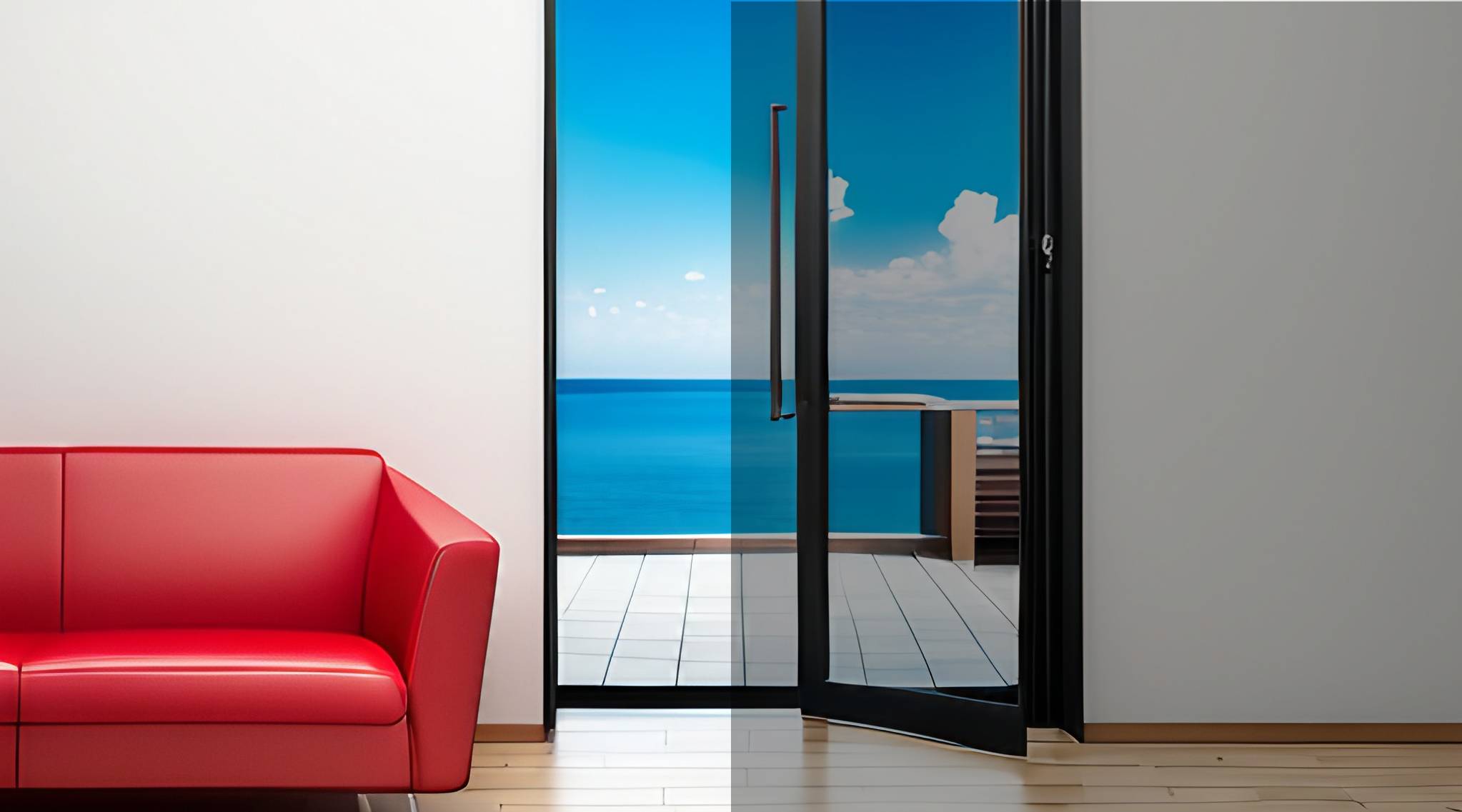
Window films are one of the most searched upgrades for modern homes, offices, condos, and storefronts in Toronto and the GTA. People look up window films when they want more privacy, better branding on glass, less glare, or a simple way to improve how a space feels without changing the whole window. But one question keeps coming back: are window films safe for modern glass?
The short answer is yes. Window films can be safe for modern windows and modern glass systems when the film matches the glass type, the amount of sun on the window, and the real goal of the project. That sounds easy, but lots of people skip that part. They buy film based on darkness, price, or a photo online. Then the film looks wrong, performs badly, or puts too much stress on the glass. Thats where problems start.
If you want the simple version, this is it: window films are not “good” or “bad” on their own. The result depends on what kind of glass you have, where it faces, and what you are trying to fix. A frosted privacy film on a boardroom wall is not the same as a dark solar film on a west-facing condo unit. A logo graphic on a storefront door is not the same as a heat-control film on sealed double-pane glass. Same category, very different job.
That is why so many property owners across Toronto, North York, Scarborough, Etobicoke, Mississauga, Vaughan, Richmond Hill, and Markham ask about window films before they commit. New condo towers have sealed glazing. Older stores have front glass that has seen better days. Clinics want privacy without making a room feel shut in. Retail owners want branding that looks sharp, not cheap. Office managers want a clean way to add privacy to glass rooms without calling in a full renovation crew. All of that lands under window films.
For people who want the broader basics first, this guide on what is window film is a useful place to start. After that, the next step is learning when window films are safe, when they need more care, and why the glass matters just as much as the film.
Why window films are usually safe when the film matches the glass
The big thing most people miss is that modern glass is not all built the same. Some windows are single pane. Some are double pane. Some are tempered. Some are laminated. Some have Low-E coatings. Some are large sealed units in newer condo towers. Some are just interior office glass with no outdoor exposure at all. When people say “modern windows,” that can mean a lot of different things.
That matters because different glass types react differently when film is added. Some window films are made mostly for privacy or style. Others are built to manage glare and solar heat. Some absorb more heat into the glass. Others reflect more. If a window already gets a lot of hard afternoon sun, the wrong film can add stress. That stress can increase the chance of thermal cracking on certain panes. Not every time, but enough that a smart installer checks first instead of guessing.
This is why a lot of the safer, easier jobs are not even about heavy solar control. They are about privacy bands, frosting, logos, decorative film, or visual film on interior glass. Those window films often do not ask the glass to handle the same level of heat load that a darker sun-control product might. So the conversation gets simpler. Still not random. Just simpler.
In the GTA, sun exposure changes fast by building and by street. A west-facing retail unit in Mississauga can get blasted in summer. A high-rise condo near CityPlace can sit in long sun for hours. A glass boardroom in a Markham office park may need privacy and almost no solar control at all. A clinic in North York may just want partial frosting on treatment room glass. Same general service. Very differant film needs.
This is where good questions matter. A decent film plan should start with things like:
- What kind of glass is this?
- Is it interior or exterior glass?
- How much direct sun does it get?
- Is the goal privacy, branding, glare control, safety, or heat control?
- Would a lighter film solve the problem better?
Those questions are not fancy, but they stop a lot of bad decisions. A person who skips straight to “pick the darkest one” is often skipping the most useful part of the process.
Industry resources from the International Window Film Association also help explain why film categories and glass compatibility matter. You do not need to become a glass expert to understand the main point. Safe window films come from the right match. Unsafe results usually come from lazy matching, poor installation, or both.
Which types of window films make the most sense for local properties
When people hear the phrase window films, they often think only about dark tint. That is only one piece of the market. In Toronto and the GTA, a lot of the most useful window films are not very dark at all. They are made for privacy, design, branding, or light control in a softer way.
Decorative films are a good example. Frosted films, etched-look films, dusted crystal patterns, stripes, gradients, and cut privacy bands are all common in boardrooms, clinics, salons, condo amenities, gyms, and office entrances. These products help block direct sightlines while still letting light move through the room. That is why they are so popular in dense areas like Liberty Village, King West, downtown Toronto, and newer office zones in Vaughan and Markham.
For a lot of businesses, that is the sweet spot. They want privacy without making the space feel small. They want the room to stay bright. They want the glass to look finished. Window films do that well when the product is chosen for the real problem.
Logo film and cut vinyl graphics are another big category. A clear glass front can feel empty and easy to miss. Add a logo, hours, a simple stripe, or a branded privacy band, and the glass suddenly works harder. It helps with wayfinding. It improves appearance. It can even help people notice the glass itself, which is nice in busy retail spots where folks walk fast and do not always pay attention. Happens all the time near plaza entrances, TTC-facing storefronts, and compact downtown units.
Then there are solar and glare-control window films. These can be very useful, but this is the category where matching matters more. If a window gets serious sun and the room feels too hot or too bright, a properly chosen film may help a lot. But if someone chooses a product just because it is dark, that is where trouble can show up. Darker does not always mean better. Sometimes it just means more absorption and more stress on the glass. Thats not a good trade.
A good local installer should be able to explain that in plain language. Not every job needs a solar film. Not every privacy issue needs tint. Not every modern window should get the same product. That sounds obvious, but people still get sold one-size-fits-all answers, which is why some film jobs turn into annoying clean-up projects later.
For business owners who also care about comfort and energy use, public guidance from Natural Resources Canada can help make sense of how windows affect indoor comfort and energy performance. It is not a shopping guide, but it helps people ask better questions before spending money.
Two GTA examples that show how the right film choice changes everything
Example 1: A small law office in Markham needed privacy, not darkness.
The office had a front meeting room with full glass walls facing reception. Staff felt exposed. Clients could see more movement inside than the office wanted. The first idea was to use dark tint because the owner thought darker meant more professional and more private. But that would have made the room feel boxed in and did not really fit the look of the space.
The better move was a frosted privacy band with a clean cut pattern and a lighter decorative treatment on the rest of the glass. The room stayed bright. Privacy improved right away. The reception area looked sharper. The office manager was happy because the change was fast and did not turn into a full reno mess. In that case, the best use of window films had nothing to do with heavy solar control. It was about privacy and finish.
Example 2: A café in The Junction had glare, street exposure, and weak branding.
The café had large front glass with strong afternoon light. Customers near the window complained about glare. The owner also felt the front did not stand out enough from the street. They first asked about applying one dark film across the whole front. That might have reduced glare, but it also could have changed the feel of the café in a way they did not want.
A better plan split the goals. Branded graphics and partial privacy film handled the street presence and helped define the front visually. The glare issue was reviewed based on the actual glass and exposure, not just on darkness. The final setup felt cleaner and more balanced. The space still felt open from the inside, which mattered for a café trying to feel warm and inviting, not closed off.
These examples are simple, but that is how real film jobs usually go. Most people are not buying window films as an abstract idea. They are trying to solve one of a few very normal problems:
- The room feels too exposed
- The storefront looks empty
- The glass gets too bright in the afternoon
- The office wants more privacy without losing light
- The owner wants the space to look more finished
When you start with the problem, the film choice gets easier. When you start with the darkest roll or the cheapest online option, it gets messy fast.
How to choose window films without wasting money or making a bad call
The safest way to choose window films is to slow down a little at the start. Not forever. Just enough to match the product to the job. That part can save a lot of money and a lot of frustration.
Start with the goal. Is this about privacy? Style? Branding? Glare? Heat? Safety? Different problems point to different film types. A privacy film for a clinic room is not selected the same way as a sun-control film for a west-facing condo pane. If the installer cannot explain the difference in plain English, that is not a great sign.
Then check the glass. Is it a sealed unit? Is it interior glass? Does it face west? Does it sit under overhangs or get long afternoon sun? Does part of it stay shaded while another part gets direct light? These small details shape which window films make sense and which ones should stay off the quote.
Ask clear questions before the job starts:
- What problem is this film solving?
- What kind of film are you recommending?
- Why is it a safe fit for this glass?
- Would a lighter product do the same job?
- What film would you avoid on this window?
Good answers are calm and specific. Bad answers are pushy, vague, or too focused on colour alone. A person who works with Toronto and GTA properties all the time should be used to talking through these points. Glass in a downtown tower is not the same as glass in an older Scarborough storefront. A condo amenity room in Vaughan does not behave the same way as a small office partition in Richmond Hill. Local reps and installers who have seen those conditions tend to spot the weak points faster.
The main takeaway is simple. Window films are safe for many modern windows when the film matches the glass and the purpose of the job. They become risky when someone guesses, skips the glass check, or treats every project like it needs the same product. A careful film choice gives you better privacy, cleaner branding, softer glare, or better comfort without making a mess of the space.
Frequently Asked Questions About Window Films for Modern Windows
Are window films safe for modern condo windows?
They can be, yes. The film has to match the sealed unit and the sun exposure. Condo glass should not be treated like generic glass from a hardware store.
Do window films always make a room darker?
No. Many window films are made for privacy, style, or branding and do not darken a room very much. Frosted and decorative films often keep a lot of light.
Can window films help a storefront without replacing the glass?
Yes. Many businesses use window films for logos, privacy bands, and a cleaner front look instead of replacing glass that is still in decent shape.
What is the biggest mistake people make with window films?
The biggest mistake is picking film by darkness or price before checking the glass type and the actual problem they are trying to solve.
Are decorative window films easier to use than dark solar films?
In many cases, yes. Decorative films are often used for privacy and appearance, not heavy heat control, so the fit can be simpler. The glass should still be reviewed when the pane gets a lot of direct sun.
Leave a Reply