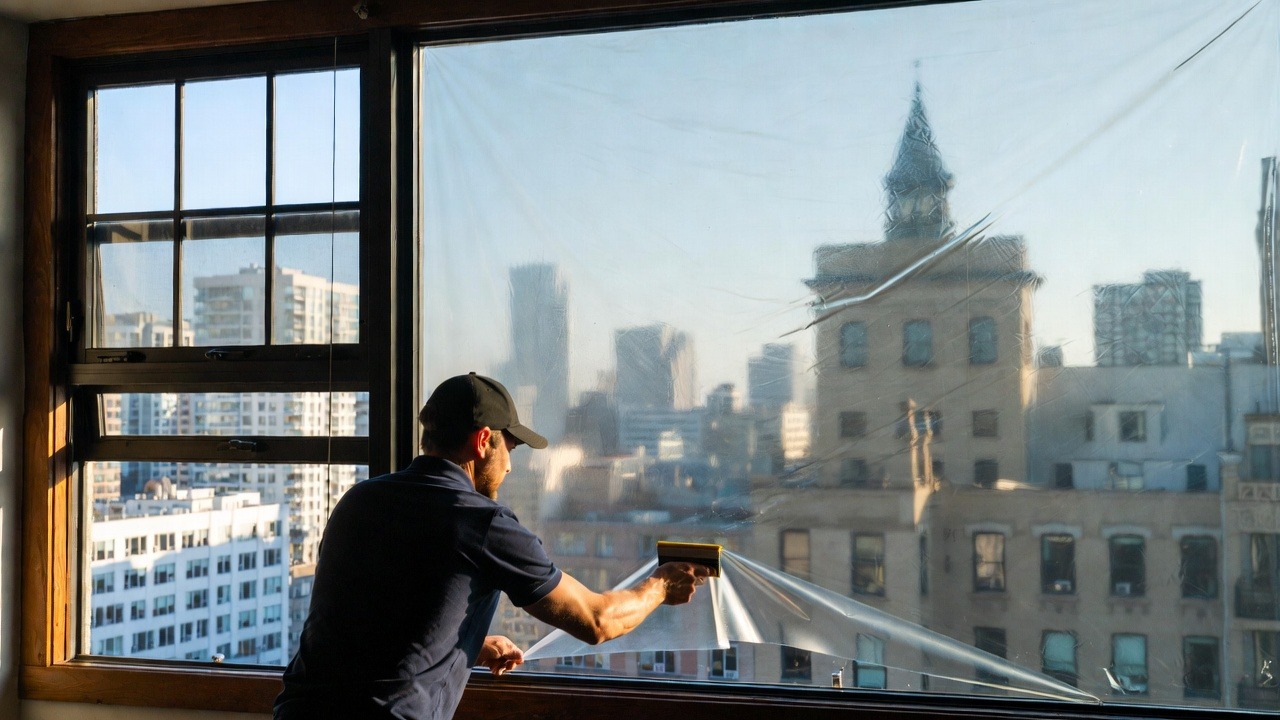
If you are searching for window films in Toronto and the GTA, you are likely trying to fix a daily problem, not read a theory lesson. Maybe your home gets too hot in the afternoon. Maybe your office has glare on every screen. Maybe your storefront feels too open to the street. Maybe your condo needs more privacy without making the space feel dark. That is why window films keep showing up in local searches. People want a fix that can help with heat, glare, UV exposure, privacy, and glass safety without jumping right into a full window replacement.
Window films are thin layers added to glass. The product sounds simple, but the effect can be big. Some window films help reduce solar heat. Some help cut glare. Some add privacy. Some help hold broken glass together longer after impact. The hard part is not learning what window films are. The hard part is picking the right type and hiring a window tinting service that knows how to match the film to the glass, the room, and the real problem. Thats where many people go wrong.
In Toronto and the GTA, local details change the answer. A west-facing condo in Liberty Village does not have the same issue as a detached home in North York. A clinic in Markham has different privacy needs than a restaurant in the Danforth area. A Brampton storefront may care about street exposure, while a Mississauga office may care more about comfort in meeting rooms. Good window films can help in all of those places, but the film choice has to fit the job. A decent installer sees that fast. A weak one just throws out a quote and hopes you say yes.
Why window films matter so much in Toronto and the GTA
Window films matter here because this region has a lot of glass and a lot of weather stress. Toronto homes, condos, offices, and shops often have big windows that look nice but can create problems. Heat builds up. Sun hits hard at certain times of day. Privacy gets thin in dense areas. Furniture fades. Employees pull blinds down and leave them there all day. The space starts working against the people using it.
The local climate is part of that story. The City of Toronto says the city is seeing more frequent extreme weather, including extreme heat and longer heat waves. That is not just a line in a report. You feel it in hot front rooms, upper floors, glass boardrooms, and waiting areas with direct sun. You can read more on the City of Toronto climate page. When a room already runs warm, extra heat from untreated glass makes the problem worse realy fast.
That is one reason more property owners start with window films before spending on larger building changes. If the glass is still in decent shape, film can often improve the space without the cost and mess of replacing whole windows. This makes sense for condos, houses, schools, clinics, offices, retail units, and mixed-use buildings all over the GTA.
The basic film types are easy to understand when someone explains them plainly. Solar films are used to help reduce heat and glare. Privacy films reduce direct views into a room. Frosted films are common in bathrooms, clinics, office partitions, and front doors because they let light pass while hiding detail. Security films are used to help broken glass stay together longer after impact. Decorative films change the look of glass while also helping with privacy. Customers often ask for “tint,” but what they want is one of these actual results.
The U.S. Department of Energy also notes that window films can help with solar heat gain, glare, and comfort on existing windows. Their page on window types and technologies gives a simple overview that fits what many Toronto-area owners ask about. In plain words, the glass can still stay there, but the room can start behaving better.
A common local example is a family home in North York with a living room that gets blasted after lunch in July and August. The owners keep closing the blinds, but then the room feels dark and shut in. A solar-control film is often a better answer than living with closed blinds half the summer. Another example is a small clinic in Richmond Hill with glass treatment-room doors and a bright reception area. Frosted or privacy window films can help keep the space calm and private while still letting light move through it. Same product category, very different use.
That is why window films matter in Toronto and the GTA. They solve real building problems that keep coming up here: heat, glare, fading, privacy, and safety concerns around glass. The product matters, but the installer matters just as much.
What the best window tinting service actually does
The best window tinting service is not the one with the loudest sales pitch. It is not always the cheapest either. In most cases, the best service is the one that starts by figuring out what the space needs before talking about price. That sounds obvious, but many companies still skip that part.
A good installer starts with questions that are boring but useful. Which room is the problem room. What time of day is the worst. Is the goal less heat, less glare, more privacy, better appearance, or more glass protection. Is the property a home, condo, office, clinic, restaurant, or store. Do you want privacy in the daytime only, or do you care about visibility at night too. Has the glass been filmed before. These questions shape the right film choice. If the company skips all of that and jumps right to square footage, thats a warning sign.
Then comes the glass check. Different windows can react differently depending on type, age, size, and seal condition. Older double-pane units, oversized commercial panes, and specialty glass may need extra care. A proper window tinting service usually asks for photos, measurements, or a site visit before locking in the final film recommendation. That is not wasted time. It helps stop bad installs and poor product matches.
The next step is honest explanation. Every film has trade-offs. A darker or more reflective film may reduce more glare, but it also changes the outside look. A lighter film may keep the room brighter, but may not do enough for a strong west sun issue. A daytime privacy film can work well when it is brighter outside, but indoor lighting changes the look at night. A good installer says this early. They dont hide the weak spots.
Finish quality matters too. Clean edges matter. Straight cuts matter. Dust control matters. Clear after-care instructions matter. Most owners notice these details right away. If the trim line looks rough on a front office window or storefront pane, the whole job can feel cheap even if the film itself is fine. That is why asking for real close-up photos is smart. Wide shots do not tell the whole story.
Local experience helps more than people think. Teams that install window films across Toronto, Etobicoke, Scarborough, Vaughan, Markham, Brampton, and Mississauga see the same issues again and again. Downtown condos get glare bouncing off nearby towers. West-facing suburban homes get hot late in the day. Street-facing businesses want privacy but still need a clean look. Offices with interior glass want separation without losing light. When a company sees those patterns every week, it gets better at matching the film to the problem.
A small case example shows why that matters. A restaurant near the waterfront may first ask for dark film on every front pane. After a site check, the better move may be moderate solar window films on the sun-hit front glass and a different privacy treatment near the entry. Same restaurant. Different needs on different panes. The best service sees that. The weaker service sells one film for everything and moves on.
So what does the best window tinting service actually do. It listens. It checks the glass. It explains the trade-offs in plain language. It installs neatly. And it does not push one film as the answer to every problem.
How to choose the right company for window films in Toronto and the GTA
Choosing a company gets easier when you stop chasing slogans and start checking fit. The right fit means the film matches the room, the building, the glass, and the goal. If one of those pieces is off, the result can feel wrong even if the install itself looks clean.
Start with the main complaint. Say it clearly. “My office has too much glare.” “My condo feels exposed.” “The second floor gets too hot.” “The front of the shop feels wide open.” That makes it easier for the installer to guide the film choice. Too many people just ask for window films without saying what they need the film to do.
Then ask what film type they recommend and why. You want a short, plain answer. Solar film for heat and glare. Privacy film for sightlines. Frosted film for light plus privacy. Security film for glass hold-together performance after breakage. If the explanation feels fuzzy, ask again. Good companies can explain window films in simple words without sounding robotic.
Ask where they work most often too. A company that regularly handles window films in Toronto and the GTA will usually understand condo access rules, street-facing business needs, common sun issues, and the kind of problems owners bring up in each area. That local knowledge saves time. It also cuts down on bad guesses.
Review the quote carefully. It should tell you what is included, what film is being used, whether old film removal is extra, and what labour covers. Cheap quotes can be a trap. A cheap film that does not solve the problem is still a waste. Ask boring questions. How long will the install take. When can the glass be cleaned. What happens if there is old adhesive. Will the room lose a lot of natural light. Boring questions save money.
Another small case example makes this clear. A ground-floor condo near the lake wants more privacy from foot traffic but still wants a bright living room. The owner thinks the darkest film will be best. After review, a lighter privacy or decorative option may work better because it blocks direct views without making the room feel closed in. In jobs like that, the smartest choice is not always the darkest one. It is the one that fits the room best.
A decent hiring checklist looks like this:
- Ask what type of window films they recommend.
- Ask why that film fits your room.
- Ask if they need a site visit or glass photos first.
- Ask who will do the instal.
- Ask what the warranty covers.
- Ask how the film should be cleaned after the job.
- Ask to see real project photos from homes or businesses like yours.
For Toronto and the GTA, the right company is usually the one that talks calmly, checks details, and does not oversell. Good window films can make a room cooler, calmer, more private, and easier to use. But only when the film and the installer are the right match.
Quick View FAQ
Are window films worth it for homes and businesses in Toronto?
Yes. Window films can help reduce heat, glare, UV exposure, and privacy issues in homes, condos, offices, and storefronts.
Do window films always make a room dark?
No. Some window films look light and subtle, while others are darker or more private, so the result depends on the product you choose.
Can window films help with privacy in offices and clinics?
Yes. Privacy, frosted, and decorative films are often used in offices, clinics, and other glass-heavy spaces that still need natural light.
How do I know if a window tinting service is good?
A good service asks about your problem, checks the glass, explains trade-offs clearly, and installs the film neatly with clear after-care advice.
What should I ask before hiring a company for window films?
Ask what film they recommend, why they chose it, who installs it, what the warranty covers, and how to care for the glass after the job.
Leave a Reply