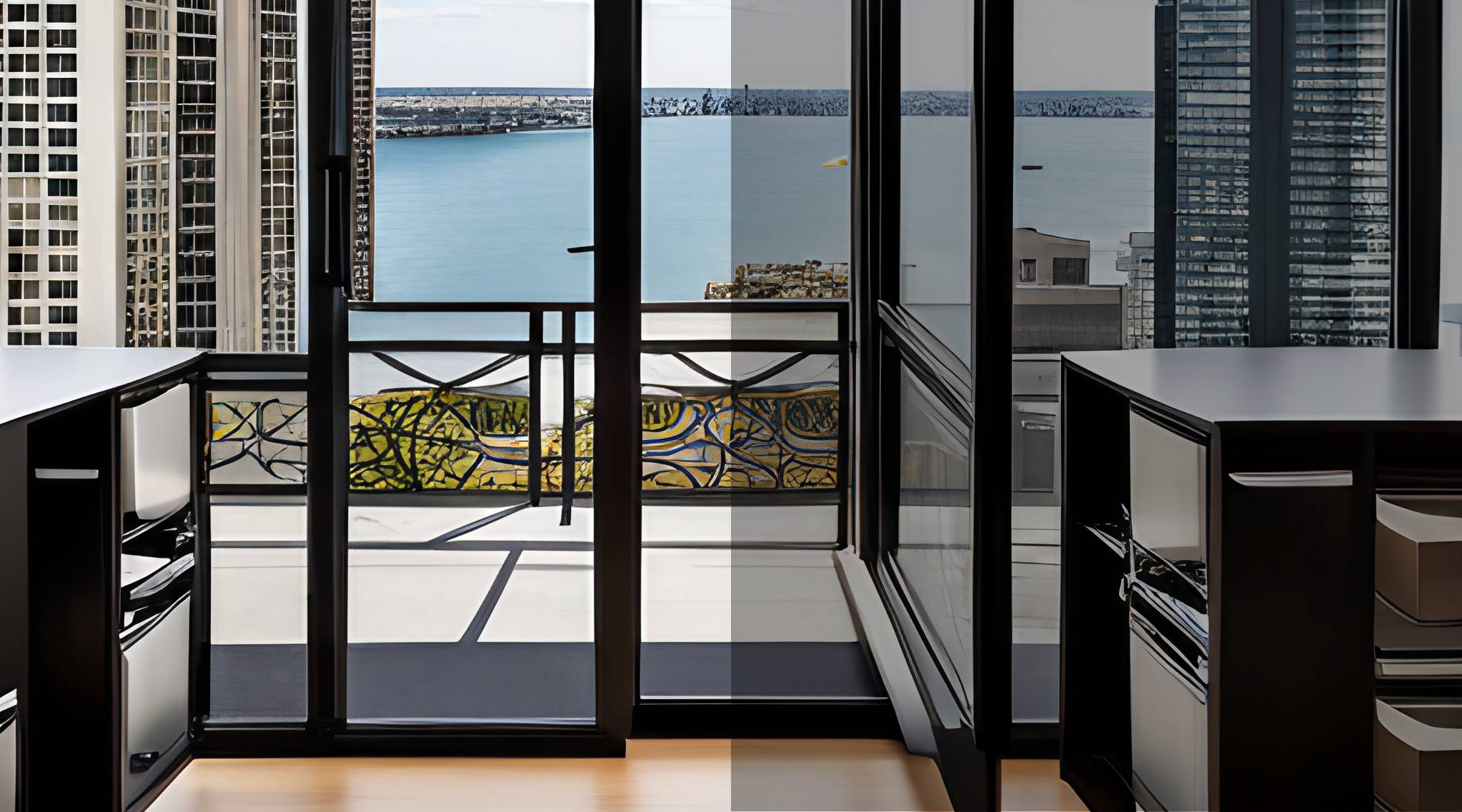
Window films help Toronto homes and businesses solve real glass problems without changing the whole window. They can reduce heat, soften glare, block UV rays, add privacy, and improve glass safety. In a city full of condos, storefronts, offices, and older homes, window films are often a smart first step because they are faster and less disruptive than major glass work. If you want a plain-language starting point, this guide to window films gives a helpful overview before you compare products or quotes.
People usually do not start by saying, “I need window films.” They say the living room gets way too hot after lunch. They say the office glare is brutal. They say customers can see straight into the shop. They say the boardroom feels too open. Those are the real reasons people call a local window tinting service in Toronto and the GTA. The film is the tool. The problem comes first.
That local part matters. A condo near the waterfront gets sun different from a detached house in East York. A clinic in North York uses glass different from a café in Mississauga. A shop in Scarborough has different privacy needs than an office near Union Station. The best window films are the ones that match the room, the glass, and the problem. Thats where good local advice helps a lot.
Toronto also gets strong warm-season sun, and the Government of Canada’s UV Index and sun safety guidance explains why UV protection matters from spring into summer. The GTA is also one of Canada’s largest urban regions, as shown in Statistics Canada’s Toronto CMA profile, which helps explain why there is such a wide mix of buildings and glass needs across the area.
This article explains what window films do, why local service matters, and how to choose the right film without making a costly mistake. It also includes a couple of simple examples, because real jobs explain this stuff better than fancy wording ever does.
What Window Films Actually Do
Window films are thin layers applied to glass. Some are built for solar control. Some are made for privacy. Some focus on decorative design. Some are made to help hold broken glass together. The point is not to make every window dark. The point is to make the glass work better for the space.
For homes, the most common use is comfort. A room with big west-facing windows can feel fine at noon, then feel awful by 3 p.m. The couch gets hot. The floor gets bright. The TV looks washed out. People close the blinds, then the room feels gloomy. A well-matched solar film can help reduce that heat and glare while keeping the room bright enough to use. It does not fix every problem, but it can make the space feel much easier to live in.
Privacy is another big reason people choose window films. Front doors with glass, bathroom windows, street-facing rooms, and office partitions all bring privacy problems. Frosted films are often used where you want steady privacy all day and night. Reflective or tinted films can help with daytime privacy, but they do not work the same way after dark when the lights are on inside. That part gets missed alot, and then people feel stuck with the wrong film.
Businesses use window films a bit differently. Offices often want less glare on monitors, more comfort near big windows, or privacy for meeting rooms. Clinics want calm-looking privacy on doors and partitions. Retail shops want to reduce sun on display glass while still looking open from the street. Restaurants sometimes want a softer look on front windows or interior glass without making the place feel closed in. Same product family, very different goals.
Security films are worth a separate mention. They help hold glass together after impact, which can reduce flying shards and make forced entry less simple. They are not magic, and they are not the same as replacing glass with a stronger system. Still, they can add a useful layer for storefronts, schools, offices, and some homes. A straight-talking installer should explain both the benefits and the limits. If someone talks like security film solves everything, thats probly a red flag.
Decorative films also matter more than many people think. Not every job is about heat or glare. Sometimes the issue is appearance. An office may want branded bands on glass. A clinic may want soft privacy with a clean look. A homeowner may want style on a front entry window. Decorative window films can do that without a major renovation, and that is one reason they keep showing up in both homes and commercial spaces across the GTA.
Why Local Toronto Experience Changes the Outcome
A local Toronto window tinting service does more than install film. It brings local pattern recognition. That sounds a bit stiff, but the idea is simple. Local crews have seen the same kinds of buildings, sun exposure issues, privacy complaints, and glass layouts over and over. They know the condo heat problem. They know the downtown office glare problem. They know the front-door privacy issue in older neighbourhoods. That helps them recommend the right window films faster and with fewer mistakes.
Toronto is not one building type. You have glass-heavy condo towers in CityPlace and along Queens Quay. You have older detached homes in East York and Riverdale. You have plaza storefronts in Scarborough and Vaughan. You have clinics and office suites in Markham, North York, and Mississauga. The same film will not suit every one of those places. A local installer should ask what direction the glass faces, how the room is used, whether privacy is needed all day or only in daytime, and whether appearance matters as much as performance.
Season also matters in this city. In spring and summer, many calls are about overheating rooms, fading furniture, and sharp glare. In fall and winter, privacy and year-round comfort often become the bigger issue. A team that works in Toronto all year sees these patterns repeat. That makes their advice more useful than a generic online listing that treats every house and office the same.
Local service also helps with practical things that people do not think about until the job starts. Some condo buildings care about exterior appearance. Some businesses need work done outside normal hours. Some offices need samples shown in person because a film that looks fine online looks all wrong on site. A local company can inspect the glass, bring samples, explain the trade-offs, and come back if there is a problem later. Thats a big difference from ordering film online and hoping for the best.
There is also a trust piece. Local installers live on reviews, referrals, and repeat work. Property managers talk. Small business owners talk. If someone leaves edges messy, gives bad advice, or disappears after the install, word gets around pretty quick. The opposite is true too. A company that shows up on time, explains things clearly, and leaves the glass looking clean often gets remembered. For homeowners and local SEO folks, that part matters more than flashy sales lines.
Real Examples of How Window Films Solve Everyday Problems
Example one: a west-facing condo in downtown Toronto. The owner loved the view but hated the afternoons. By mid-day, the living room felt hot and the screen glare made the space hard to use. Closing the curtains made the unit feel dim. In this type of job, solar window films are often a better fit than heavy blackout coverings. The goal is not to block everything. The goal is to calm the room down so it stays usable. A film choice like that works best when the installer checks the angle of sun, the glass size, and how much light the owner still wants.
Example two: a small clinic in North York. The clinic had clear glass on a consultation room and reception side area. Staff wanted privacy, but they did not want a dark or closed-in feel. A light frosted or decorative film usually makes more sense there than a darker solar film. It gives privacy, keeps the place bright, and still feels clean and pro. The wrong film would have fixed the wrong problem.
There are lots of these everyday cases across the GTA. A retail shop in Etobicoke may need less sun on the front display. A house in Vaughan may need privacy on a front entry sidelight. An office near Bay Street may need glare reduction so staff stop fighting with the blinds every afternoon. A restaurant in Richmond Hill may want decorative glass that feels warmer and more private. Different spaces, different outcomes, same basic need: better glass performance without replacing the windows.
That is why a good installer starts with questions, not with a hard sell. What is bothering you most? Heat? Glare? Privacy? Fading? Safety? Appearance? Once that is clear, the film choices get much easier. Skip that step and the whole job can go sideways. Ive seen people chase the darkest film they can find, then hate how dim the room feels. Ive also seen people pick a privacy film for daytime only, then feel shocked that it does less at night. Those mistakes are common, and they are avoidable.
How to Choose the Right Window Films Without Wasting Money
The best way to shop for window films is to start with the actual problem. Not the brand. Not the darkness level. Not the cheapest quote. Ask yourself what you want the glass to do better. Once you know that, you can narrow the choices faster.
- Solar window films help with heat, glare, and UV.
- Privacy window films help reduce views into a room.
- Decorative window films add style or soft privacy.
- Security window films help hold broken glass together.
Then ask the installer simple questions. What film fits this room? Will it make the room darker? How will it look from outside? Is it a good match for my type of glass? How long does install take? What care does it need after? What happens if I have an issue later? The answers should be plain, direct, and specific. If the company talks in circles, that is not a great sign.
Do not judge by price alone. Cheap film can end up costing more if it looks wrong, performs poorly, or peels early. Better value usually comes from a solid product, proper advice, neat install work, and follow-up support. That sounds boring, maybe, but boring is good in service work. You want the job done right, not dramatic.
It also helps to read reviews properly. Do people say the installer explained the options well? Showed up on time? Worked clean? Fixed little issues without a fight? Those details matter more than big claims. For local businesses, that kind of feedback also feeds search visibility over time, because strong review quality helps build trust.
If you are in Toronto, North York, Scarborough, Etobicoke, Mississauga, Brampton, Vaughan, Markham, or Richmond Hill, a site visit is often the smartest next move. Good window films can make a room cooler, calmer, safer, and easier to use every day. The wrong film can leave you annoyed every time the sun hits the glass. So ask clear questions, get a local opinion, and choose the film that fits the room, not just the one with the loudest pitch.
Leave a Reply