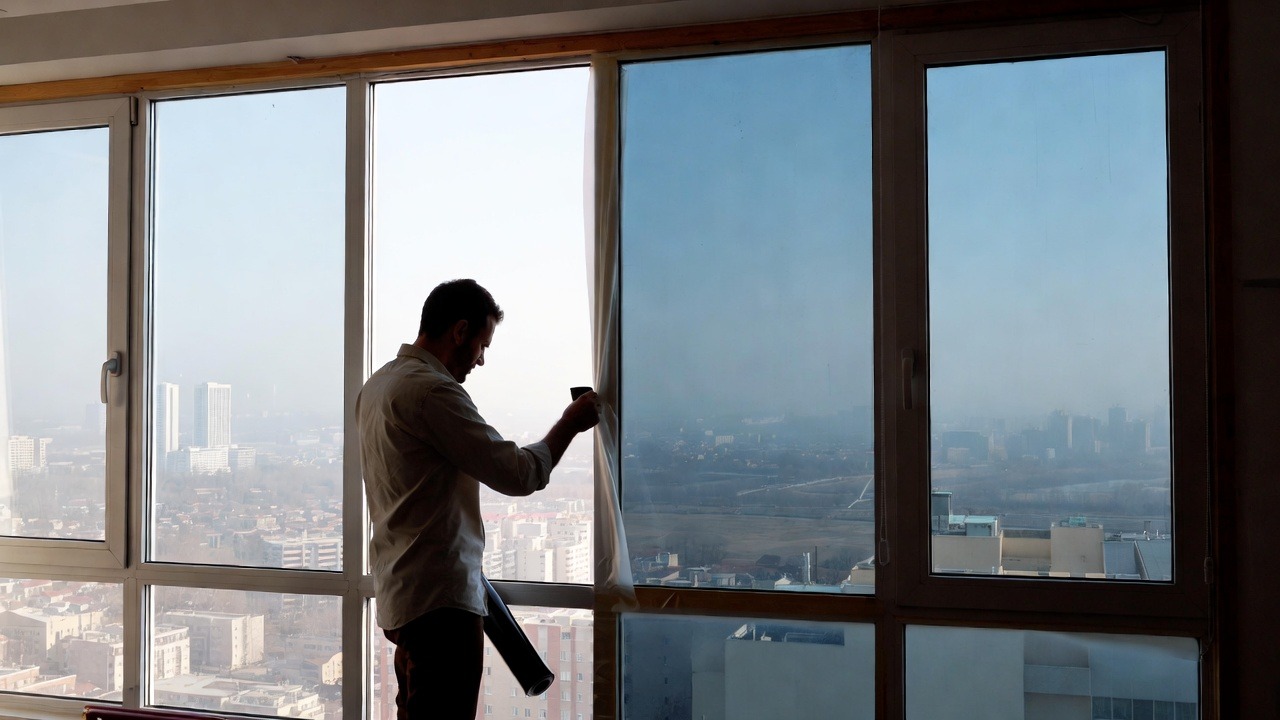
Window films are one of the most searched glass upgrades in Toronto and the GTA because they help fix real problems fast. If your condo gets too hot in the afternoon, your office has heavy glare, your furniture is fading, or your front windows feel too open, window films can help without replacing the whole window. That is why home owners, condo boards, shop owners, clinic managers, and office tenants across Toronto, Mississauga, Brampton, Vaughan, Markham, Richmond Hill, and Oakville keep looking into them.
In this area, glass is everywhere. You see it in condo towers near CityPlace, office buildings in North York, retail plazas in Scarborough, detached homes in Etobicoke, and clinics in Markham. Big windows bring in light, but they also bring in heat, glare, and privacy issues. Natural Resources Canada explains that reducing solar heat gain through windows can lower cooling demand. That helps explain why window films keep coming up in local searches every summer, and even in winter when glare still makes rooms hard to use.
If you want the short version, window films are thin layers added to glass to improve how that glass performs. Some window films reduce solar heat. Some cut glare. Some add privacy. Some help hold broken glass together. Some are made for style. If you want to read more about the benefits of window films, that page gives a helpful overview too.
This article explains what window films are, why they matter so much in Toronto and the GTA, how installation works, and how to choose the right film for your home or business. It also includes local examples, because this subject makes more sense when you connect it to the kind of buildings people here use every day.
Why window films matter so much in Toronto and the GTA
Window films matter here because local buildings have a lot of glass and the local weather pushes that glass hard. In summer, west-facing rooms can heat up fast. In winter, low-angle sun can still create rough glare on TVs, laptops, and desks. In dense neighbourhoods, privacy is another daily issue. People want daylight, but they do not always want everyone outside to see straight in.
That is why window films show up in so many diff rent settings. In condos, the biggest complaint is often heat and glare. Floor-to-ceiling glass can look great, but by late afternoon one part of the unit may feel way hotter than the rest. In homes, large front windows and patio doors often create both fading and privacy issues. In offices, glare on screens can affect comfort and focus. In clinics, interior glass can make people feel too exposed. In retail, direct sun near the front windows can make staff uncomfortable and can affect displays.
Toronto and the GTA also have a wide mix of building ages and building types. A new condo in downtown Toronto has a very diff rent glass setup than an older family home in East York or a small storefront in Mississauga. That is one reason a good window film recommendation has to be local and practical. It should match the actual glass, the use of the room, and the main problem the owner wants to fix.
There is also the simple cost issue. Many people are not ready for full window replacement, and many do not need it. They just need the room to feel better. Window films give them a middle option. They can improve existing glass with less mess, less downtime, and often less cost. That makes them popular with condo owners, business owners, and families who want a solution now, not a giant renovation later.
Another reason window films matter here is that they help people keep using daylight. A lot of people solve heat or glare by shutting blinds all day. That works, sort of. But it also makes the room darker and less pleasant. With the right film, the space can stay brighter and more usable. That balance is a big deal in offices, retail spaces, kitchens, living rooms, and waiting areas.
What window films actually do and how they are different from each other
Window films are not all the same. People often talk about them like they are one single product, but there are several types, and each one is meant for a diff rent job. The better you understand that, the easier it is to choose the right film.
Solar window films are used to reduce heat and glare. These are common in condos, offices, west-facing rooms, and bright storefronts. If one room always feels hotter than the rest, or if a screen is hard to see because of sunlight, solar film is often where the conversation starts.
Privacy window films are used when visibility is the main issue. Some provide daytime privacy from outside looking in. Others, like frosted film, give more steady privacy and are common on office glass, clinic doors, side door panels, and bathroom windows. Privacy film is not always dark. That surprises people alot.
Decorative window films are used when people want glass to look better or serve a design purpose. These films can add pattern, frost, stripes, or branding. They are popular in salons, offices, treatment rooms, and modern homes where plain glass feels too bare.
Safety and security films are used when glass hold matters more. These films can help keep broken glass together after impact. They do not make glass impossible to break, but they can change how the glass behaves after it is hit. That is why they come up in storefronts, schools, offices, and some homes.
One mistake people make is choosing based only on darkness. Darker is not always better. A very dark film may not solve the real issue if the real issue is privacy at certain hours, glare on one screen, or fading on one side of the room. A lighter film can sometimes do the job better and keep the space looking more natural.
Another mistake is assuming window films can fix every glass problem. They can do a lot, but they do not repair failed seals, broken frames, or major draft problems. A good installer should say that clearly. Honest advice is part of a good job, even when the answer is not what the customer first expected.
How window film installation works in real Toronto and GTA spaces
A good window film installation starts with a site visit or a careful review of the glass. The installer should look at the type of glass, the frame condition, the direction of the sun, and how the room is used. That matters because the same film will not suit every space. A high-rise condo living room, a main-floor retail front, and an interior clinic room are not the same job.
Next comes film selection. This is where clear advice matters most. The installer should explain what the film does, how it will look from inside and outside, and what kind of result the owner should expect. A lot of people ask for “tint” when they really want less glare. Others ask for privacy when they really want frost. A good installer sorts that out before the film goes on the glass.
After selection comes prep. This part is boring, but it matters a ton. The glass has to be cleaned very well. Dirt, grease, paint specks, tape residue, and tiny dust particles can all affect the final look. Then the film is measured, cut, placed, and squeegeed flat with an application solution. A neat finish should look smooth and clean, with tidy edges and no obvious trapped debris.
In Toronto and the GTA, install timing also matters. Condo jobs may depend on elevator bookings and building access rules. Retail jobs may need to happen before opening hours. Clinics may want work done room by room. Offices may want meeting rooms done first and open spaces later. Local experience helps because the install is not just about glass. It is also about how the building works day to day.
After installation, the film needs curing time. Some light haze or small moisture marks can appear at first. That can be normal while the film dries. A solid installer tells people that up front, so no one panics on day one. That small bit of communication saves alot of confusion later.
Good installation is a mix of three things: correct diagnosis, correct film choice, and clean application. If one of those is off, the job may still get finished, but the result may not feel right. That is why professional installation matters even for a product that looks simple on the surface.
Two local examples that show how window films solve daily problems
Case example one: a downtown condo near Liberty Village. The owner had a west-facing living room with big glass and loved the view, but the room got too hot in the late afternoon. The glare on the TV was bad enough that the blinds stayed shut most days. That made the whole space feel less useful. A solar control film helped reduce glare and lowered the harsh afternoon heat gain. The owner kept the light and the view, but the room felt easier to sit in. That is a pretty normal Toronto condo story, not a rare one.
Case example two: a dental clinic in Vaughan. The treatment rooms had interior glass that made the office feel bright and modern, but patients felt too visible from the hallway. Curtains looked messy and made the rooms feel smaller. A frosted privacy film gave the staff the clean look they wanted and gave patients better privacy at the same time. The clinic kept the bright feel, and the rooms felt more calm. It was a small change, but it solved a daily problem right away.
These examples matter because they show how people actually choose window films. They do not start with technical charts. They start with a room that does not feel right. Too hot. Too bright. Too exposed. Too plain. The film choice comes after that. That is why local knowledge helps so much. Someone who works across Toronto, North York, Etobicoke, Mississauga, Markham, and Vaughan sees the same patterns again and again and can usually spot the best direction pretty fast.
How to choose the right window films for your home or business
The easiest way to choose window films is to name the main problem first. If the room is too hot, focus on solar control. If you want more privacy, focus on privacy film. If you want a better design look, ask about decorative films. If the main issue is glass breakage or hold, ask about safety or security film. Starting with the real problem makes the whole choice easier.
Then ask a few simple questions before you hire anyone. What type of film do you recommend for this glass? What will it look like from inside and outside? Will it change the room brightness a little or a lot? How long will installation take? What is the cure time? What care does the film need after installation?
It also helps to ask whether the installer has done similar work in your kind of space. A company that has handled condos, homes, retail fronts, clinics, offices, and schools across the GTA will usually have better judgment than one that gives the same answer for every job. That local pattern knowledge is useful. It helps avoid bad guesses and weak recommendations.
Do not judge only by the lowest price. A cheap quote can mean rushed prep, weaker film, poor finishing, or less support after the install. Window films can last for years, so the match between the film and the space matters almost as much as the install itself. A slightly better job often saves money and hassle later.
If you want window films that fit your condo, home, office, clinic, or storefront, the smartest next step is a site review with a local installer who can explain the options in plain words. That kind of advice is what helps people avoid buying the wrong film and having to redo the job later. In a place like Toronto and the GTA, where building styles and sun exposure change block by block, that part matters more than people think.
Leave a Reply