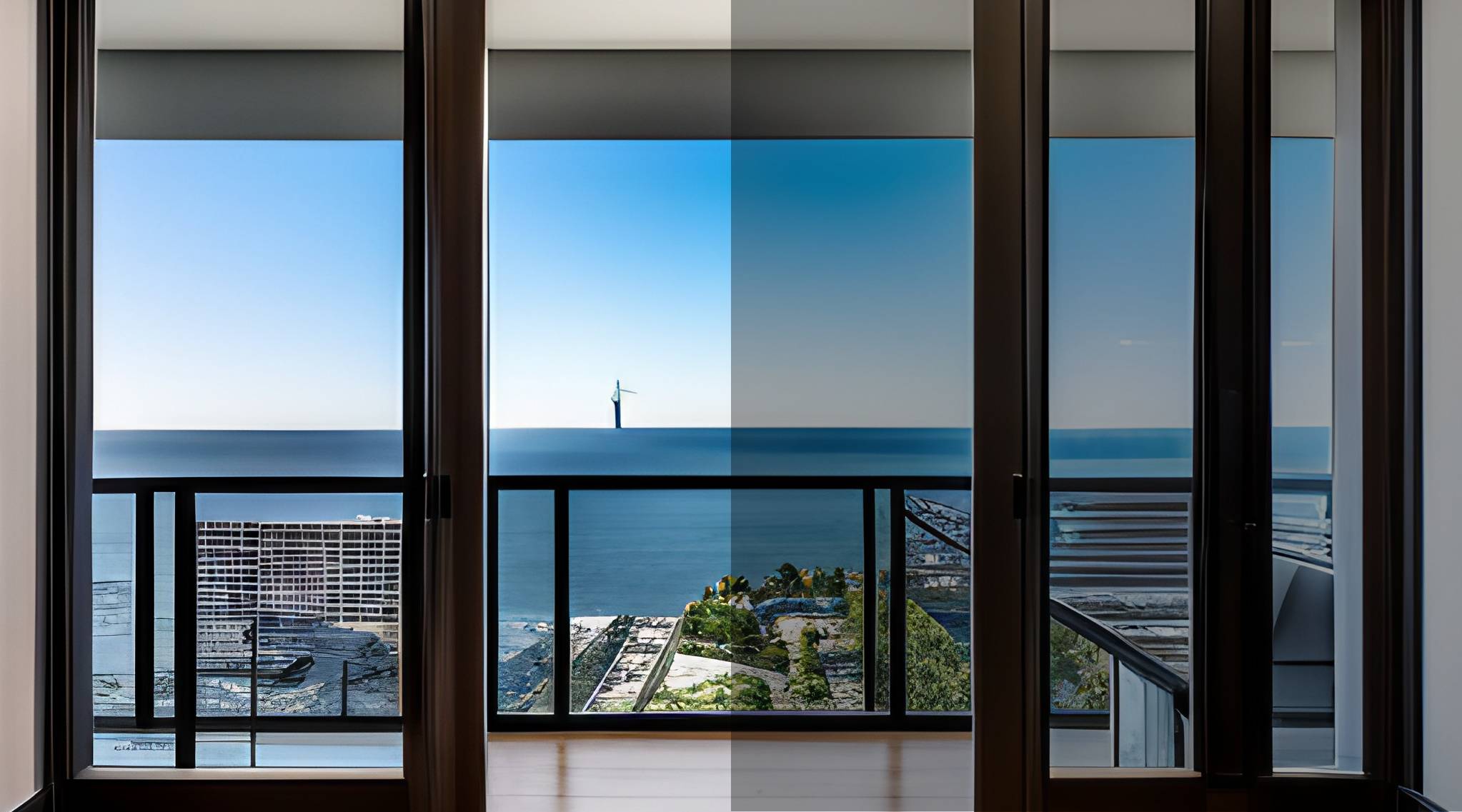
Window films are used across Toronto and the GTA for privacy, branding, glare control, and glass visibility. But before you install window films on a storefront, clinic, office, condo lobby, or retail unit, you should know that CSA standards, building code rules, and city requirements can affect where the film goes, how much glass it covers, and whether the final design is a simple film job or something that needs more review. That is where many owners get tripped up. They think the job is only about looks. It often isnt.
In Toronto, glass is everywhere. You see it in office towers near Bay Street, medical clinics in North York, condo amenity rooms in Etobicoke, restaurants in Mississauga, and retail plazas in Scarborough, Markham, and Vaughan. A clean frosted design on a boardroom wall may be easy. A logo on a front door may be easy too. But once the glass sits on a public entry, beside a public entry, or across a storefront, the questions change. Does the glass still read clearly? Does the logo act like a sign? Is the layout helping people notice the door? Those are real questions on real jobs, and they matter more than people think.
This article explains what these rules mean in plain language. It focuses on the way window films are used in Toronto and the GTA, and how code, safety, visibility, and branding can all meet on the same pane of glass. If you want the quick version, here it is: the type of glass, the location of the glass, and the goal of the film job all matter. Privacy film on an interior panel is one thing. Logo film on a front window is another. Decorative film on a public glass door can also become a visibility issue, not just a design choice.
Why code rules and CSA standards affect window films more than most owners expect
Most people do not start a film project by reading standards. They start with a problem. A boardroom feels too exposed. A clinic wants privacy. A storefront looks blank. Staff keep walking into the glass. The business wants branding on the front window. Those are normal reasons to buy window films. The surprise comes later, when the installer or landlord asks more questions than expected.
That happens because glass in commercial and shared spaces has a job to do. It is not only there to look nice. In some places, glass must be easy to notice. In some places, the glass setup may connect to safety glazing requirements. In some places, the film design can work like a sign. This is why a film job in a private office room is very different from a film job on a public-facing entry or a street-level storefront.
Think about a glass office front at Yonge and Eglinton. The owner may want a frosted band for privacy. Sounds easy. But if the same glass wall includes the main entry door, the design should also help people notice the door. If the owner also wants a logo cut into the frost, the job adds branding into the mix. If the space is in a managed office building, landlord approval may come into play too. So a simple film request becomes a mix of privacy, visibility, branding, and approvals. Thats pretty common in the GTA.
On the building side, one of the main sources people look at is the Ontario Building Code. Most owners are not going to sit down and read that whole thing, and fair enough. But the practical lesson is easy to follow. If the glass is in a public path, on a door, or right beside a door, the film layout should never be treated like random décor. The way the film sits on the glass can affect how clear the opening looks to people using the space every day.
CSA talk also shows up on jobs where people ask about safety, impact, or “code-approved” film. That part gets misunderstood alot. Some film systems are made for safety or security uses, but you should not assume any film on any glass changes the status of the glazing. The exact product, the exact use, and the exact glass setup all matter. If someone says, “Just stick film on it and now it’s safety glass,” that is a red flag. Real film work is a bit more careful than that.
Toronto and the GTA make this even more interesting because so many spaces are mixed-use. A ground-floor unit in Liberty Village may have office workers, condo residents, delivery staff, and customers all passing the same glass all day. A clinic in Richmond Hill may want privacy inside but still need a clear and easy-to-read entry for patients. A salon in Vaughan may want more style, but the front still needs to feel open and welcoming. Window films can help in all of those spaces, but the layout has to match the use of the glass. If the layout does not match the setting, the job starts to feel off, even if the install itself is clean.
How decorative film, logo film, and privacy film behave on real Toronto and GTA jobs
The easiest way to understand this topic is to look at common film types and how rules affect them. Start with decorative film. Frosted film, etched-look film, stripes, dots, gradients, and custom cut designs are used every day on office partitions, meeting rooms, waiting areas, condo amenity spaces, and storefront doors. Decorative window films are popular because they give privacy without making a room feel blocked off. They can also make clear glass easier to see, which is a big deal in all-glass offices.
That second part matters more than people think. In newer Toronto office spaces, especially downtown and in business parks near Pearson, clean glass walls can almost disappear from some angles. Add winter darkness at 5 p.m. or hard afternoon glare in summer, and the glass can become even harder to read. Good decorative film helps with that. It gives the eye something to catch. It helps the space feel finished too, not just covered.
Here is one case example. A physiotherapy clinic near Don Mills wanted more privacy on treatment room glass and a simple frosted design on the main front partition. The first idea used very light frosting with thin stripes. It looked nice on a mockup, but in the real hallway the front glass still felt too clear. Patients could see movement inside, and the entry line did not stand out enough. The fix was small. The stripe pattern was made bolder and moved to a better height. The clinic still got a clean look, but privacy improved and the glass became easier to notice. That is the kind of change that sounds tiny, but it can change how the whole job works.
Now think about logo film. Logo film is often used on storefronts, front doors, reception glass, and street-facing office windows. It helps a business look settled and easy to find. But once the logo grows, or the coverage spreads across more of the pane, the design can start acting like signage. That is where city rules can show up. In Toronto, if a front-window film carries branding or ad-style content, the size and use of that graphic can matter. The Toronto Accessibility Design Guidelines are also useful when the film is going on glazed doors or panels that people need to notice clearly.
Another example came from a small retail space near The Junction. The tenant wanted a large promo graphic across most of the front glass for a spring opening, plus a logo on the entry door. On screen, the idea looked bold and fun. On site, it made the space feel closed from the sidewalk and made the entry harder to read from the curb. The better plan was to cut down the glass coverage, keep the logo clean, and use smaller window elements that still carried the branding. The shop looked more open, and foot traffic was better because people could see in. Bit of a simple fix, but it mattered.
Privacy film brings another set of decisions. Many owners ask for full frosting because they want a fast answer. Sometimes full frost is right. Sometimes it is too much. A boardroom may only need a band at seated eye level. A clinic room may need more coverage low down but less higher up. A salon may want privacy from the sidewalk but still want daylight. That is why one film does not fit every room. The goal should shape the layout, not the other way around.
The same goes for vinyl graphics. Some people say “vinyl window film” when they mean a frosted pattern. Others mean printed branding. Others mean cut lettering or business hours. That is why the first question should always be: what does this film need to do? Hide views? Show the brand? Make the glass easier to see? Help with wayfinding? Once that answer is clear, the right design gets alot easier to build.
How to plan a better window films project before you approve the design
If you want the film job to go smoothly, the best move is to slow down before production starts. Ask where the film is going. Ask who uses that area. Ask whether the glass is on a public door, beside a public door, or only inside a private room. Ask whether the film is mainly for privacy, branding, visibility, or a mix of all three. These are not fancy questions, but they stop a lot of expensive mistakes.
A good local installer in Toronto or the GTA should ask about the building, not only the film colour. A front door on Queen Street West is not the same as a side entry in a Brampton plaza. A condo common area in downtown Toronto is not the same as a back office in Markham. A medical office in North York may need softer privacy. A restaurant in Mississauga may want branding that still feels open at street level. The glass location changes the design.
Season matters too. In January and February, darker afternoons make clear entry glass harder to spot from outside. In summer, west-facing windows in places like King West, Vaughan, or airport-area offices catch harsh sun late in the day. That changes how frosted, solid, or printed film looks from the street. Local installers who work in these areas year-round usually talk about this stuff because they have seen what happens when a design looks fine on a laptop but odd on real glass.
Here is a simple planning list that helps a lot:
- Decide the main goal before choosing the film style
- Check if the glass is on a door or sidelight
- Review the amount of front-window coverage early
- Ask for a mockup with real film heights and placement
- Get landlord approval if the lease calls for it
- Ask how the film should be cleaned after install
You should also ask what happens if the design changes after approval. Good installers catch issues in the mockup stage. That is when fixes are still cheap. After printing, changes get annoying. After install, they get costly and a bit embarrassing too. Nobody wants to peel off brand new film because the door still looks invisible or the storefront feels closed off.
For Toronto and GTA property owners, the main takeaway is simple. Window films can improve privacy, style, and branding, but the result depends on planning. Treat the film like part of the space, not like a sticker you add at the end. When the film layout matches the glass use, the business looks better, people move through the space more easily, and the whole install feels more thought out. That is what most owners want anyway. Clean result, less hassle, fewer weird surprises later on.
Quick FAQs About Window Films and Toronto Glass Rules
Do all window films in Toronto need a permit?
No. Many film jobs do not need a permit, but some front-window branding jobs may need more review.
Can decorative window films help people notice clear glass?
Yes. Frosted bands, stripes, and patterned film can make doors and panels easier to see.
Does film make regular glass count as safety glass?
No. You should not assume that. The full film and glass setup must match the needed use.
Why do landlords ask for film drawings?
They want to check coverage, branding, and how the film changes the building look before install starts.
What is a common mistake on storefront film jobs?
Many owners approve the artwork too fast. Then they find out the entry still looks unclear or the front glass feels too closed off.
Leave a Reply