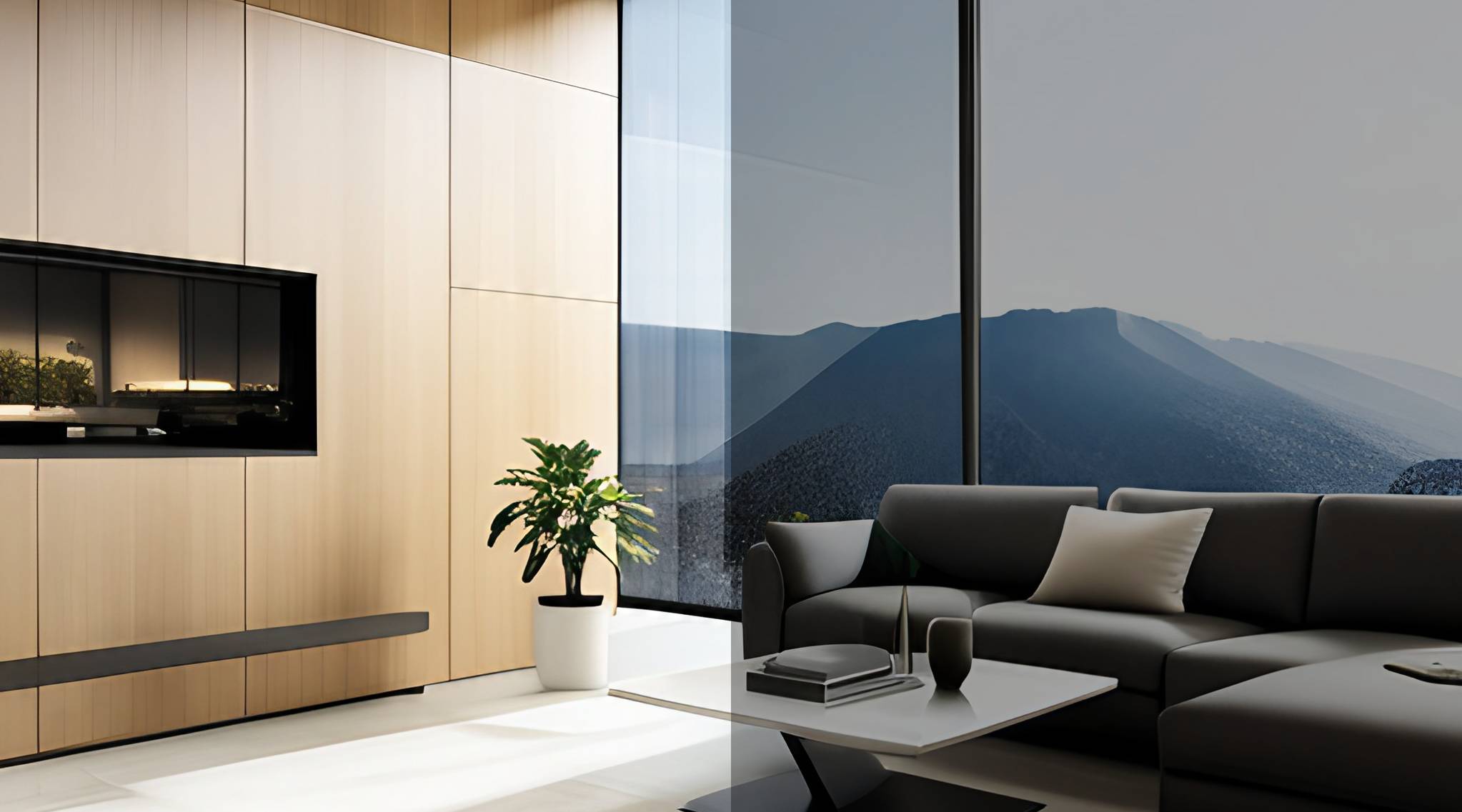
If you are searching for window films in Toronto or the GTA, you are likely trying to fix heat, glare, fading floors, or high energy bills. That is why more homeowners now compare window films with new windows and double-glazed glass before they spend thousands. In many Toronto homes, the problem is not that the window is broken. The problem is that the glass does not do enough to control sun, UV, privacy, or comfort.
This is common across Toronto, North York, Scarborough, Etobicoke, Mississauga, Markham, Vaughan, Richmond Hill, and Brampton. A front room gets blasted with afternoon sun. A condo feels too bright near the glass. A bedroom facing the street feels exposed. Then winter comes, and the same windows feel cold and drafty. That is when people start asking if they need full replacement or if window films can solve the problem for less money.
Many homeowners begin by comparing window film vs window replacement because the price gap can be huge. A lot of the time, film gives the comfort upgrade people want without a full renovation. Guidance from Natural Resources Canada also shows that window upgrades affect home energy use, which is a big deal in Canadian weather. The U.S. Department of Energy also explains that films and other glass technologies can help reduce solar heat gain and improve comfort.
This article breaks the topic down in plain language. No weird sales talk. Just what each option does, where it works, and what usually makes the most sense for GTA homeowners.
Why Window Films Keep Getting Attention in Toronto and the GTA
Window films are thin layers applied to existing glass. They are made to improve how the glass performs. Depending on the film type, they can reduce solar heat, block up to 99.9% of UV rays, cut glare, add daytime privacy, and help hold shattered glass together. That is why they are used in houses, condos, offices, retail units, and street-level businesses.
Toronto weather is a big reason this topic matters so much. In July and August, west-facing windows can make a room feel way too hot by mid afternoon. In January, those same windows can make the space feel cold and uneven. This happens in detached homes in East York, condos near Harbourfront, townhouses in Vaughan, and family homes in Mississauga. The city is different in style, but the glass problems are weirdly the same.
Another reason homeowners like window films is speed. Most film jobs are much faster than full window replacement. There is no ripping out old frames, no trim damage, and usually no long mess in the house. That matters to families with kids, home offices, pets, or tenants. Life keeps moving. People don’t want every fix to turn into a mini renovation.
Film is also popular because it solves problems people notice every day:
- rooms that heat up too fast
- TV glare that ruins the afternoon
- fading floors, rugs, and furniture
- lack of privacy on street-facing glass
- bright sun that makes a room hard to use
That is why window films are often the first option worth pricing out. Not because they fix every problem, but because they fix many common ones with less cost and less hassle.
What Window Films Do Well for Real Homes
The main strength of window films is that they upgrade glass you already have. If the existing windows are still structurally sound, film can improve comfort without forcing you into a much bigger project.
In simple terms, film helps your glass work harder. It can reduce direct heat from the sun, make bright rooms easier to use, and protect indoor materials from UV damage. Many homeowners first notice fading on hardwood, sofas, or area rugs before they even think about heat control. Then they realize the room is also too bright and the AC works too hard. Film can address several of those problems at once.
A homeowner in Etobicoke is a good example. Their family room had large south-west windows. Nice light, yes. But by summer, the room was rough to sit in after lunch. The AC kept running, glare hit the TV, and the wood floor near the glass had started fading. They were close to ordering replacement windows. After looking at the frames and seals, it was pretty clear the windows still had life left in them. They installed film instead. The room felt calmer, glare dropped right away, and they kept the rest of their reno budget for other work. They told us later they wished they had done it sooner. Fair point.
Another small case came from a condo owner near Yonge and Eglinton. The windows were modern. The issue was not old glass. The issue was too much sun, too much brightness, and very little daytime privacy. They did not need replacement at all. They needed better glass performance. Film solved it with much less mess and no weeks of waiting.
This does not mean window films are magic. They do not repair rotten frames or failed sealed units. But when the glass is okay and the comfort is bad, film is often the smarter first move. It’s a practical fix, not a dramatic one. And honestly, that is what most homeowners want.
When Full Window Replacement Is the Better Move
There are times when replacement is clearly the right answer. If the windows are cracked, leaking badly, rotting, or fogged between panes, film is not going to fix the real issue. At that point, the window unit itself is failing.
Full replacement means removing old windows and installing new ones. That can include new frames, sealing work, insulation adjustments, and finish repairs. In older Toronto homes, this can become a bigger project than expected. Once old material comes out, hidden issues can show up. Some jobs stay simple. Some get messy fast.
A house in The Beaches is a good example. The homeowner planned to replace a few windows because they thought the job would be fast. Once the contractor opened things up, there was hidden damage around part of the frame. The cost climbed. The schedule stretched. They still needed the work, but it was much larger than they first thought. That is not rare in older housing stock.
Replacement usually makes sense when:
- the frame is damaged or rotting
- the sealed unit has failed
- air leakage is severe
- the glass is cracked or unsafe
- the homeowner wants a total design change
The upside is that new windows can improve insulation and overall performance. The downside is cost, disruption, and project length. So while replacement is sometimes needed, it is often more project than people actually need for simple heat and glare complaints.
Where Double-Glazed Glass Fits In
Double-glazed windows use two panes of glass with space between them. They are built to reduce heat transfer and improve insulation. Many newer homes in Markham, Richmond Hill, and Brampton already have this type of glass.
Double glazing does help. In winter, rooms can feel more stable. Heat loss can be lower than with older single-pane windows. Outside noise may also be reduced. For homes with very old windows, this can be a real upgrade.
But double-glazed windows do not fix everything by themselfs. That’s where some people get disappointed.
You can still have:
- strong glare on laptops and TVs
- fading on floors and furniture
- hot spots from direct afternoon sun
- privacy issues on exposed glass
That is why some homeowners add window films even after they already have double-glazed windows. The glass may insulate better, but it may still need help with solar control, UV blocking, or privacy.
This happens a lot in condo towers downtown. A unit can have decent modern windows and still feel too hot near the glass in summer. One owner near CityPlace had exactly that issue. The room looked great in photos. In real life, it was too bright and too hot for half the day. Film gave them better control without changing the actual windows.
So double glazing is useful, yes. But it is not a full answer for every comfort problem. That is why window films still stay in the conversation.
Cost, Speed, and Day-to-Day Disruption
People often focus only on sticker price, but day-to-day disruption matters too. Window films are usually faster to install and much easier on the home. Most projects do not involve demolition. There is little mess. Families can keep using the space.
Replacement is slower. It often involves lead times, labour coordination, removal of existing units, repair work, and more noise. For busy households, that matters a lot. For landlords or business owners, it matters even more. Time has a cost even when it does not show up as a line item on the quote.
That is one reason many GTA property owners try film first when the windows are still in decent shape. If the job can be solved without tearing things apart, that is usually the more comfortable path.
What Most Toronto Homeowners End Up Choosing
Most people are not trying to buy the fanciest fix. They just want the room to feel better. Less heat. Less glare. Less fading. Better privacy. A more usable space. Lower stress on the heating and cooling system. That’s all pretty normal.
When those are the real goals, window films often make the most sense as the first option to review. If the windows are sound, film can solve the daily problem without forcing a much bigger spend. If the windows are truly failing, replacement is the right answer. A good installer should be honest about that.
Across Toronto and the GTA, that is the pattern we keep seeing. People start out assuming they need new windows. Then they learn the issue is comfort and solar control, not structural failure. After that, film becomes the smarter move. Not always. But very, very often.
Final Answer for Toronto and GTA Homes
If your window frames are damaged, the seals are gone, or the unit is failing, replacement is the better move. If your windows are still solid but the room feels too hot, too bright, too exposed, or too hard to use, window films are usually the better option to check first.
That is the practical answer for many homes in Toronto and the GTA. Less mess. Less cost. Faster change. Real comfort gains. Not every time, but more often than people think.
Get Help Choosing the Right Window Films
If your home has glare, solar heat, fading furniture, or privacy problems, Tintly Window Films can help you compare film, replacement, and other glass upgrades for your property.
Call: 647-847-6365
Email: info@tintly.ca
Frequently Asked Questions
- Are window films cheaper than new windows?
Yes. In most cases, window films cost much less than full window replacement. - Do window films reduce heat in summer?
Yes. Many window films reduce solar heat and make sunny rooms more comfortable. - Can window films be used on double-glazed windows?
Yes. Many window films can be installed on double-glazed glass when the correct product is chosen. - Do window films help stop fading?
Yes. Many window films block up to 99.9% of UV rays that can fade floors and furniture. - When should I replace windows instead of adding film?
You should replace windows when the glass, frame, or sealed unit is damaged or failing.
Leave a Reply